Your Professional Essential Oils Supplier
 

The company takes research and development as the engine, innovation as the wing, manufacturing as the cornerstone, and sales as the channel, integrating four core businesses. We carefully produce various natural herbal extracts, natural food additives, pharmaceutical intermediates, daily chemical products, and conduct in-depth technical research, transfer, and consulting services in a wide range of fields such as food, beverages, cosmetics, pharmaceuticals, and health products.


Product Quality
By actively introducing and optimizing high-tech methods such as protein separation, bioengineered bacterial fermentation, and advanced purification technology, each of our products is like carefully crafted works of art, emitting high-quality light.


Accept ODM/OEM Service
Tihealth provides personalized product customization services such as ODM and OEM, just like a thoughtful craftsman, tailoring exclusive boutique products for customers.


Rich Experience
We have an extensive 12 years of in-depth expertise in this field. This long-term experience has enabled us to have a profound understanding of market dynamics, industry trends, and customer needs, allowing us to provide highly effective and tailored solutions.


Customer Service
We are always firmly committed to being customer-oriented. We strive to provide prompt and accurate responses to inquiries, offer professional advice and support, and ensure that each interaction leaves customers feeling valued and satisfied.


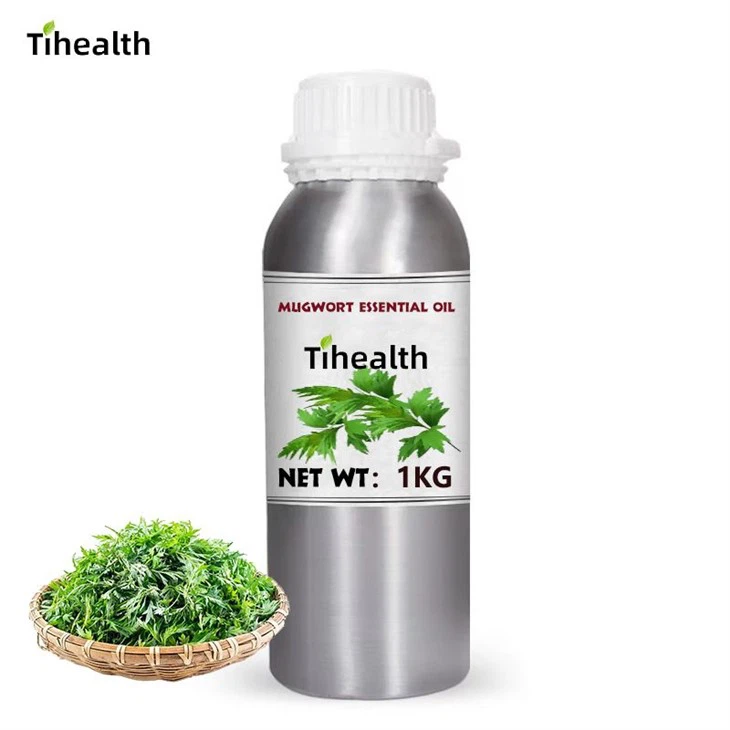
  • Mugwort Essential Oil

    Product Name: Mugwort Essential Oil. Extraction process: Supercritical carbon dioxide extraction. Extraction source: Dried leaves of Artemisia argyi, a plant in the Asteraceae family. Concentration

  • Nigella Sativa Oil

    Product Name: Black Grass Seed OilSource: Black Grass SeedsLatin name: Nigella sativa L.Appearance: brownish yellow to brownish red liquidLevel: Food gradeBrand: TihealthTesting method: GCCustomized

  • Eucalyptus Essential Oil

    Product Name: Eucalyptus Essential OilSource: Selected fresh leaves and tender branches from high-quality Eucalyptus globulus Labill and other Eucalyptus tree speciesLatin name: Eucalyptus

  • Lavender Essential Oil

    Product Name: Lavender Essential OilSource: Lavender FlowerAppearance: Light yellow or yellow greenLevel: Cosmetic gradeBrand: TihealthTesting method: GCCustomized processing: OEM/ODMPackaging:

  • Lemon Essential Oil

    Product Name: Lemon Essential OilSource: Extracted from fresh peel of lemon (Citrus limon)Latin name: Citrus limonAppearance: Clear liquid in a light yellow to yellow green colorLevel: Cosmetic

  • Rosemary Essential Oil

    Product name: Rosemary essential oilSource: Extracted by distillation from fresh flowers and leaves of Rosmarinus officinalisLatin name: Rosmarinus officinalisCAS NO:8000 - 25 - 7Appearance:

  • Rose Essential Oil

    Product Name: Eucalyptus Essential OilSource: Extracted from roses through distillation and other extraction processesLatin name: Rosa rugosa Thunb.CAS NO:8007-01-0Appearance: Light yellow to yellow

  • Ginger Essential Oil

    Product Name: Ginger Essential OilSource: Extracted from the rhizome of Zingiber officinale Roscoe, a plant in the ginger family, by steam distillation.Latin name: Zingiber officinaleCAS

  • Neroli Essential Oil

    Product Name: Orange Blossom Essential OilSource: Extracted from bitter orange white petals by distillation methodLatin name: Citrus aurantium var. amara (L.) Engl. flos oilCAS NO:8016 - 38 -

  • Tea Tree Essential Oil

    Product Name: Tea Tree Essential OilSource: Extracted by distillation from the leaves of Melaleuca alternatnifolia, a plant in the family MyriaceaeLatin name: Melaleuca alternifoliaCAS NO:

  • Peppermint Essential Oil

    Product Name: Peppermint Essential OilSource: Fresh stems and leaves of mint (Mentha haplocalyx Briq.) are extracted by steam distillation.Latin name: Mentha haplocalyx Briq.Appearance: Colorless to

  • Eucalyptus Oil

    Product Name: Eucalyptus Leaf Oil. English name: Eucalyptus oil. Appearance: Colorless, clear, oily liquid. Extraction method: Distillation extraction. Aroma type: with a unique odor of eucalyptus

Definition of Essential Oils

An essential oil is a concentrated hydrophobic liquid containing volatile (easily evaporated at normal temperatures) chemical compounds from plants. Essential oils are also known as volatile oils, ethereal oils, aetheroleum, or simply as the oil of the plant from which they were extracted. An essential oil is essential in the sense that it contains the essence of the plant's fragrance—the characteristic fragrance of the plant from which it is derived.


Types of Essential Oils


Eucalyptus Oil

The unique advantages of eucalyptus oil lie in its various biological activities such as antibacterial, antiviral, anti-inflammatory, antioxidant, deworming, and preservative properties, making it widely applicable in pharmaceuticals, fragrances, and personal care products.

Mugwort Essential Oil

The unique advantages of mugwort essential oil lie in its various health benefits, including enhancing immunity, improving digestion and respiratory problems, relieving pain, beauty and skincare, antibacterial and antiviral properties, and improving local circulation. These benefits make mugwort essential oil a versatile natural health supplement.

Eucalyptus Oil


Health Benefits of Essential Oils
 

Stress Reduction
Many essential oils are used in aromatherapy to manage stress and anxiety. For example, scientists found that orange oil had an anxiety-reducing effect on male volunteers who inhaled 2.5, 5, or 10 drops. More research is needed, but initial results were promising.


Fungal Infections
Early tea tree oil studies have had promising results regarding antimicrobial qualities long touted in traditional medicine. The oil has been used for athlete’s foot, oral thrush, and fungal infections like candida. Again more research is needed.


Sleep Aid
Lavender oil’s relaxing fragrance is thought to improve sleep quality. Scientists tested this claim on older adults living with dementia. They found that sprinkling the essential oil on towels around their pillows significantly increased their sleep time, helping them slumber longer in the mornings.


Disease Prevent
Many essential oils have antioxidant properties. Antioxidants help prevent damage to cells caused by free radicals. This damage can lead to serious diseases such as cancer. Researchers are interested in how adding essential oils to food can increase our consumption of antioxidants and prolong shelf life.


Applications of Essential Oils
 
2

Topically
Essential oils have a very small size and a chemical weight of less than 1,000m (m = weight of molecule). According to scientific testing, any substance with a molecular weight below 1,000m should be absorbed by the skin. This means that they are able to penetrate the skin and pass into the bloodstream and into different areas for internal therapeutic benefits.


Aromatically
There is great evidence that essential oils are absorbed into the bloodstream when inhaled. The large amount of blood vessels in the lungs absorb the oils and then circulate them throughout the body. Using a diffuser can help you experience the perks of these plant extractions. You can diffuse bergamot to reduce stress, melaleuca to cleanse the air, wild orange to improve mood, frankincense for spiritual enlightenment, and spearmint to improve focus and energy.

Ingestion
Essential oils can be used as a powerful form of medicine, but remember, essential oils are powerful. Most essential oils are safe for internal use, but a little bit goes a long way. Usually one to three drops are plenty mixed with water. Oils like lemon and frankincense have great internal benefits and can be taken with water. Other essential oils like clove and oregano need to be diluted and shouldn’t be taken internally for more than a week.


Personal Care
Today, essential oils are used often to make homemade DIY personal care products. This is an excellent away to take advantage of essential oils to improve your beauty, home and long-term health. Some of the best DIY recipes to use essential oils with include:
● Shampoo
● Lotions
● Toothpaste
● Bug spray
● Lip balm
● Household cleaner

2


Biological Activities of Essential Oils


Antibacterial Activity

The majority of the time, phenolic chemicals like eugenol, thymol, and carvacrol found in essential oils are what give them their antibacterial properties. These substances have the ability to disrupt the cytoplasmic membrane, the electron flow, the driving force of the proton, and the coagulation of cell contents.The primary characteristic of EOs is their hydrophobicity, which enables them to partition into the lipids of bacterial cell membranes, disrupting the bacterial structure and making it more permeable As a result, several biological molecules and various ions are released from the bacterial cell.

Antioxidant Activity

Essential oils contain phenolic chemicals and other secondary metabolites with conjugated double bonds that often exhibit considerable antioxidant effects. The most significant antioxidant qualities are found in the essential oils extracted from nutmeg, thyme, cinnamon, mint, basil, clove, oregano, and parsley. The phenolic structure of these chemicals influences their activity. The redox characteristics of phenolic compounds make them important for both the oxidation of peroxides and the neutralisation of free radicals. Other substances found in essential oils such alcohols, ketones, aldehydes, ethers, and monoterpenes also contribute to the antioxidant activity of Eos.

Cancer Chemoprotective Activity

Cancer therapy potential is demonstrated by essential oils. Natural anticancer substances found in essential oils are essential for both cancer prevention and treatment.


Essential Oil Safety Tips
 

Dilution

Essential oils should be diluted with a carrier oil before being applied to the skin to minimize any risk of irritation.

Patch Test

It’s wise to perform a patch test before using a new oil extensively. Apply a small amount of diluted oil to a patch of skin and wait to see if there is an adverse reaction.

Quality

Opt for high-quality, 100% pure essential oils from reputable suppliers to ensure the best results and safety.

Consultation

If you have any underlying health conditions, are pregnant, or are considering using essential oils with children, consult a healthcare provider or a professional aromatherapist.


Top 4 Ways to Extract Essential Oils from Plants


Distillation
Simple distillation involves boiling water to vapor and allowing the steam to flow through biomass before condensing in a collection vessel. Because simple distillation subjects products to high temperatures, it can be a poor choice for heat-sensitive products — which includes volatile oils.


Cold Pressing (Also Called Expression)
Cold pressing is a traditional method that’s used for many oils that degrade when exposed to heat, such as lemon, orange, and grapefruit. This very simple extraction technique involves scraping or pricking the biomass, usually fruit peels, before pressing and rinsing the oils away using water. The water and oils are then separated.


Solvent Extraction
Solvent-based extraction can use ethanol, methanol, or any of several petroleum-based hydrocarbon solvents, including:
● Hexane
● Pentane
● Acetone
The solvent, selected for its affinity with the desired plant compounds, flows through the prepared biomass to penetrate the plant structures and release the essential oils. The resulting mixture of solvent, plant oils, and botanical solids is typically filtered and vacuum distilled to remove as much solvent as possible, especially when petroleum-based hydrocarbons are used. A small percentage of chemical solvent residue can remain in the final product.


Supercritical and Subcritical CO2 Extraction
The use of carbon dioxide as a solvent is in high demand, especially industrial hemp extraction services, to produce high-quality full-spectrum and broad-spectrum CBD extracts. In CO2 extraction, the carbon dioxide is subjected to specific temperature and pressure conditions to achieve specific effects.


Essential Oil Packaging


productcate-1-1


FAQ


Q: What essential oils should not be mixed together?

A: The combination of Peppermint and Thyme may lead to stomach irritation. There is also some evidence that skin irritation may be caused by the combination of Peppermint and Ylang Ylang, or Grapefruit blended with Lemon.

Q: Is diffusing essential oils safe for your lungs?

A: Avoid inhaling undiluted oils directly, as this can lead to irritation. Diffuser safely: If using a diffuser, follow the manufacturer's instructions and ensure that the space is well ventilated. Prolonged exposure to high concentrations of essential oils is associated with negative heart issues and lung symptoms.

Q: What is the strongest essential oil for pain?

A: One of Mother nature's most powerful painkillers, peppermint oil is frequently used for alleviating pain. Closely related to peppermint, wintergreen oil boasts similar properties due to its methyl salicylate component.

Q: What is the most anti-inflammatory essential oil?

A: While several essential oils possess anti-inflammatory properties, thyme essential oil stands out as one of the most potent essential oil for inflammation. that thyme oil can reduce the COX-2 enzyme, which is associated with inflammation, by up to 75%.

Q: Why put essential oils on the back of the neck?

A: This region of the neck is close to the arterial flow of the brain and key neurological tissue, which allows for essential oils to be thoroughly absorbed by the blood vessels and brain.

Q: What are the best oils for skin repair?

A: Natural oils like coconut oil, tea tree oil, jojoba oil, and shea butter may have properties that are good for your skin. Some can work as antioxidants or anti-inflammatory agents to promote healing of damaged skin, moisturize, reduce scarring, or treat skin conditions like acne.

Q: Which essential oil for nerve pain?

A: Included lavender, bergamot, tea tree, geranium, rosemary, blue chamomile, and lemon eucalyptus oils. Other studies show that bergamot, cinnamon, geranium, ginger, lavender, and lemongrass essential oils may help ease pain.

As one of the leading essential oils manufacturers and suppliers in China, we warmly welcome you to wholesale the newest essential oils in stock here from our factory. Contact us for free sample.

Mugwort Essential Oil, essential oils

Send Inquiry