

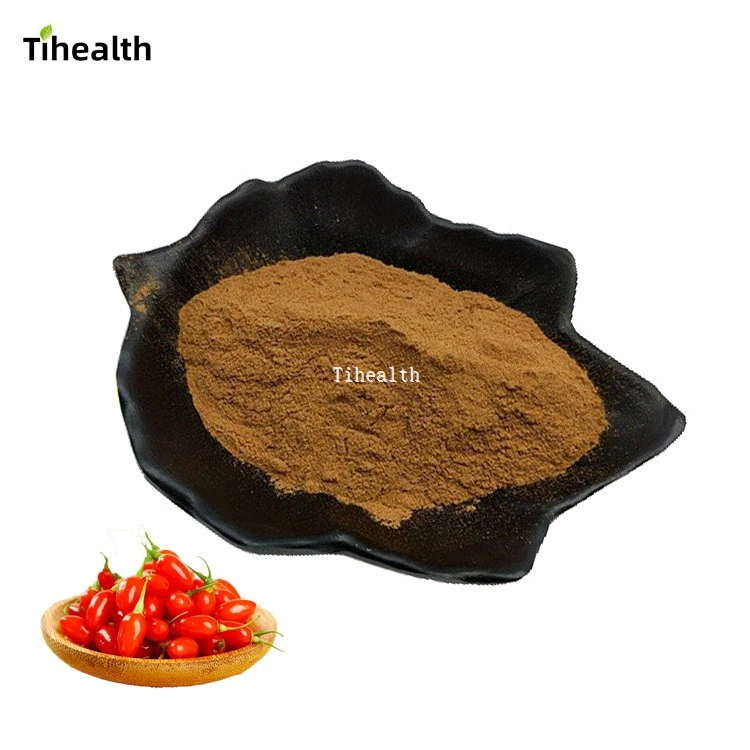
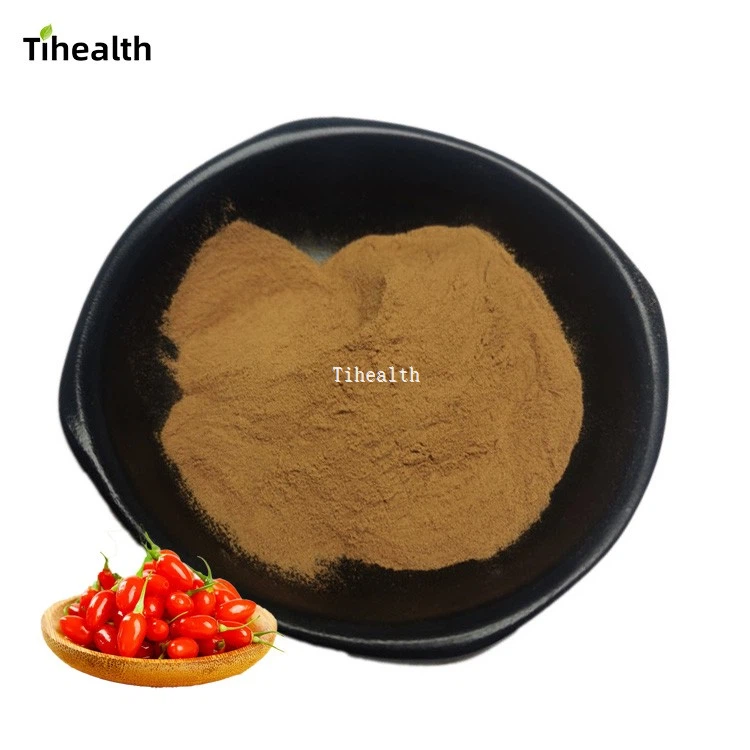
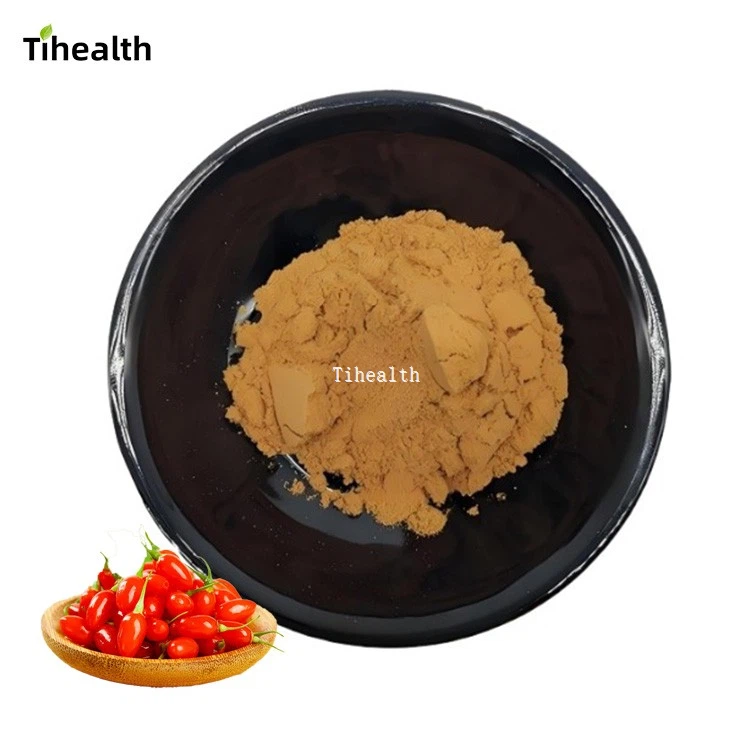
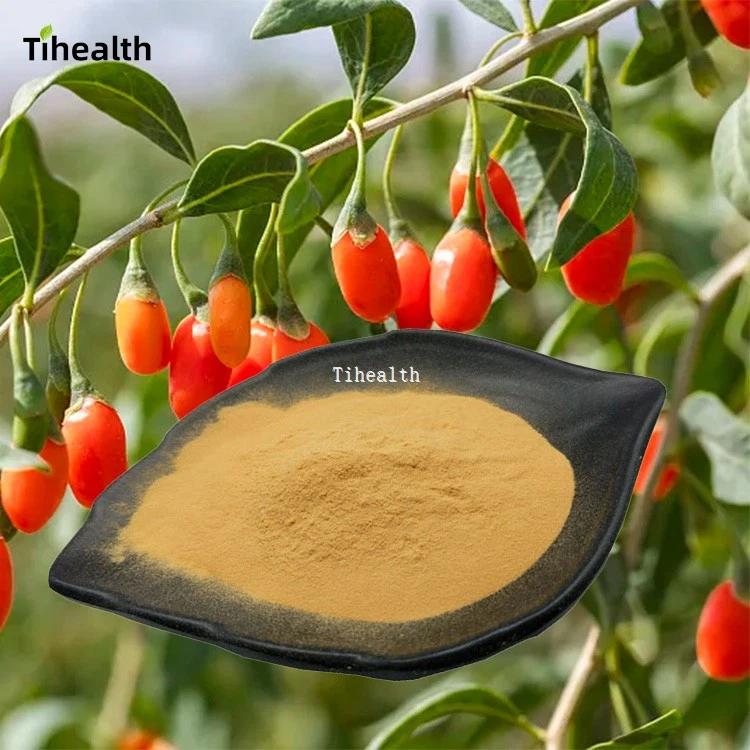
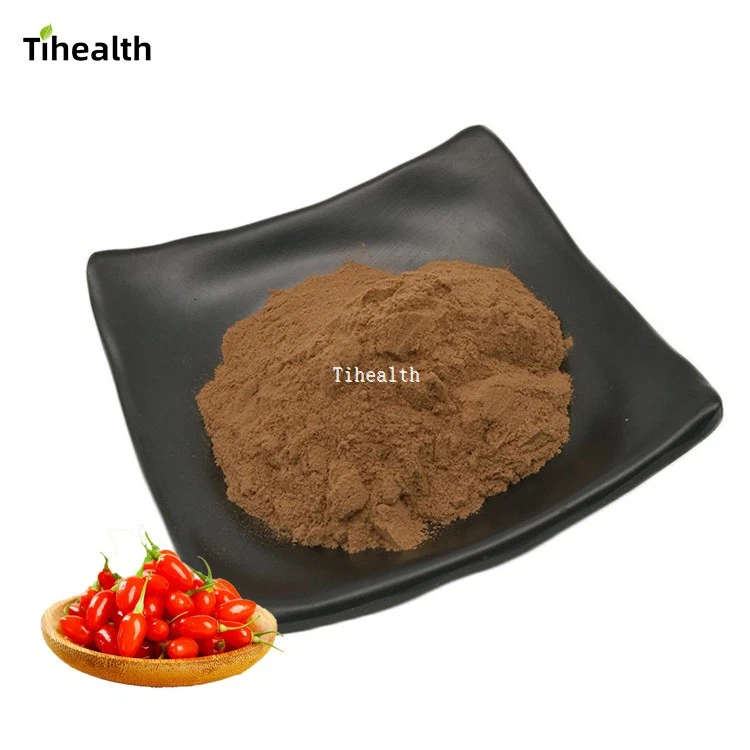
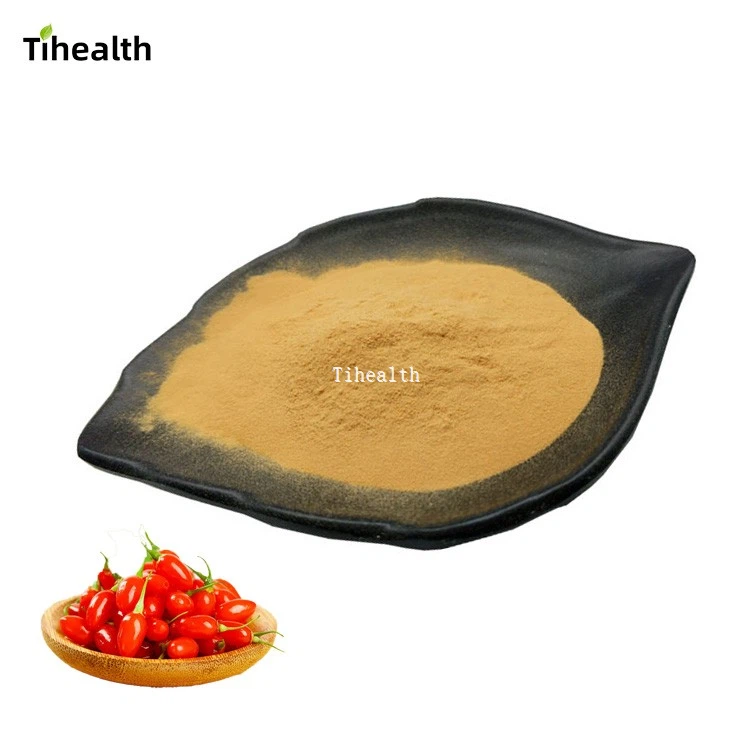
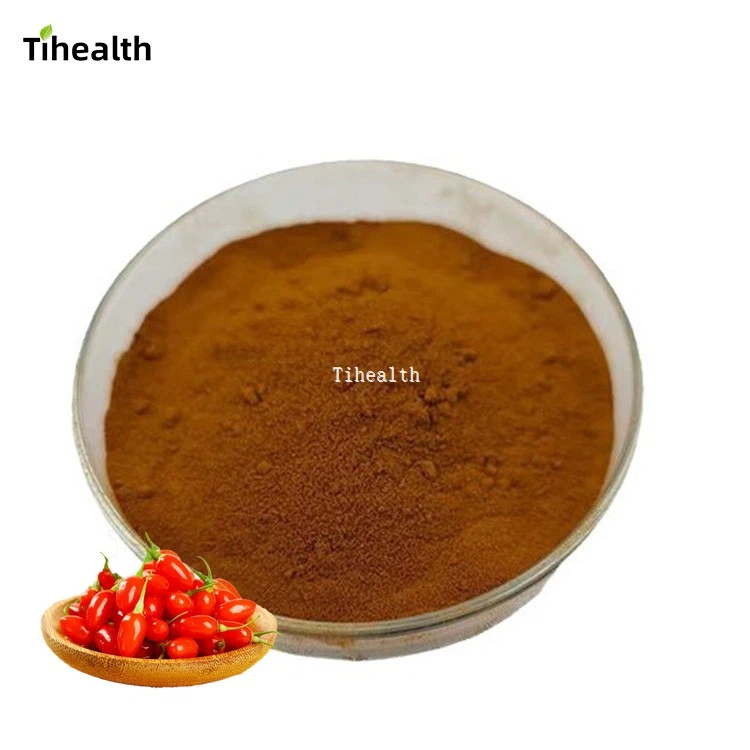
Lycium Barbarum Polysaccharide
Plant source: Derived from the mature fruit of Lycium barbarum L., a plant in the Solanaceae family
Testing method: UV
Active ingredients: Various monosaccharides such as arabinose, glucose, galactose, mannose, xylose, and rhamnose are linked by glycosidic bonds
Product Description: Brown yellow to off white powder, uniform color, no visible impurities to the naked eye
Product Applications: Food Industry, Health Products Industry, Pharmaceutical Industry
Product packaging: 1KG/aluminum foil bag; 25KG/cardboard drum
Product storage: Store in a dry and cool place, away from sunlight and high temperatures
Shelf life: 24 months
Standardized Papain Enzyme (High-Activity Protease API)

Technical Data Sheet (TDS) & Enzymatic Metrics
| Analytical Parameter | Target Specification Limit | Typical Batch Result | Validated Methodology |
|---|---|---|---|
| Taxonomic Botanical Source | Latex of unripe Carica papaya | Verified | Botanical ID |
| Enzyme Activity (U/g) | ≥ 800,000 to 2,000,000 U/g | Standardized | Titrimetric Assay (FCC) |
| Enzyme Activity (TU/mg) | Equivalent to ≥ 1,000 to 2,000 TU/mg | Conforms | Tyrosine Unit Method |
| Appearance & State | White to light yellow amorphous powder | Complies | Visual Assessment |
| Optimal Working pH / Temp | pH 5.0 - 7.0 / Temp 50°C - 65°C | Stable within range | Biochemical Profiling |
| Loss on Drying (Moisture) | ≤ 5.0% (Crucial for enzymatic stability) | 3.5% | Halogen Moisture (USP <731>) |
| Heavy Metal Impurities | Pb ≤ 1.0 ppm, As ≤ 0.5 ppm | Complies | ICP-MS (USP <233>) |
| Microbiological Limits | Total Plate ≤ 10,000 CFU/g | Pathogens: Negative | Complies | USP <2021> / <2022> |
Bioprocessing & Protein Protection Technology
Sub-Zero Ultrafiltration
Raw papaya latex contains heavy impurities and microbial loads. Thermal pasteurization destroys papain. We replace heat with a purely mechanical, low-temperature micro-ultrafiltration membrane system. This strips away inactive gums, pectin, and bacteria without exposing the enzyme to denaturing heat.
Vacuum Lyophilization
For our premium high-activity specifications, we utilize vacuum freeze-drying instead of hot spray-drying. By sublimating moisture directly from ice at sub-zero temperatures, the enzyme's active sulfhydryl group remains completely intact, ensuring maximum catalytic potency and extended shelf life.
Strict Protease Standardization
Papain latex yields vary drastically by climate and season. We standardize every single commercial batch through rigorous titrimetric and photometric assays in our QA labs, guaranteeing that your formulation receives the exact catalytic strength required for reproducible industrial manufacturing.
Biochemical Mechanisms & Cellular Action
Broad-Spectrum Proteolytic Hydrolysis
As a powerful sulfhydryl endopeptidase, papain exhibits exceptionally broad specificity. It rapidly cleaves internal peptide bonds within large, tough protein macro-molecules (such as muscle myofibrils and collagen), breaking them down into highly soluble, digestible peptides and free amino acids. This makes it an industry-standard agent for meat tenderization and food protein modification.
Clinical Necrotic Tissue Debridement
In high-purity medical applications, papain exclusively hydrolyzes dead, necrotic tissue protein without harming healthy, living tissue. This specialized enzymatic action is the foundation for clinical burn and wound debridement ointments, promoting rapid cellular healing and reducing scar formation.
Gastrointestinal Digestion Support
Unlike stomach pepsin, which requires high acidity, papain maintains catalytic activity across a remarkably broad pH range (3.0 to 9.0). It continues to digest proteins effectively throughout the entire gastrointestinal tract, making it a critical active ingredient in comprehensive digestive enzyme supplements.
Cross-Industry Formulation Applications
Food Processing & Baking
The industry standard for commercial meat tenderizers. Also used in baking to relax gluten networks, reducing dough mixing time and improving biscuit symmetry.
Clinical Nutraceuticals
Compounded seamlessly with Amylase and Bromelain in broad-spectrum digestive aids to mitigate protein malabsorption and severe gastrointestinal bloating.
Brewing (Chill-Proofing)
Hydrolyzes haze-forming proteins during beer fermentation and aging, ensuring the final brew remains crystal clear even at near-freezing serving temperatures.
Topical Dermacosmetics
Integrated into premium enzymatic exfoliating gels and peeling masks to gently dissolve dead stratum corneum cells without the irritation of chemical acids.
B2B Customization & Procurement Logistics
♦ Variable Enzyme Standardization
We provide a complete gradient of enzymatic potency: from cost-effective 100,000 U/g for bulk food processing, to ultra-pure 2,000,000 U/g freeze-dried API for high-end pharmaceutical tablets.
♦ Traceable cGMP Production
Operating an ISO-certified facility, every single batch undergoes strict titrimetric analysis to verify Activity units, accompanied by heavy metal and pathogen audits compliant with FCC/USP monographs.
♦ Cold-Chain & Secure Packaging
Because enzymes denature in heat and humidity, we store all active inventory in temperature-controlled buffer zones. Bulk material is hermetically sealed in heavy-duty drums with dual PE liners to ensure flawless preservation during global transit.
Packaging, Logistics & Secure Payment
Reliable B2B Supply Chain Solutions
We provide pharmaceutical-grade aseptic packaging, efficient global logistics (Air/Sea freight with dual customs clearance), and secure multi-currency payment methods to ensure seamless, oxidation-free cross-border transit for our B2B procurement partners.


Formulator & Procurement FAQ
Q1: What distinguishes your High-Activity Pharmaceutical Grade from standard Food-Grade Papain?
Standard food-grade papain (often <400,000 U/g) is minimally filtered and retains inactive proteins and natural gums, perfectly suitable for commercial meat tenderizing. Our high-end grade (up to 2,000,000 U/g) is subjected to rigorous sub-micron membrane ultrafiltration. This removes all inert macro-molecules, resulting in a hyper-concentrated, clear-dissolving micro-powder intended for precision digestive capsules and medical debridement ointments.
Q2: Enzymes degrade rapidly under heat. Will the Papain lose activity during maritime shipping?
Moisture and extreme heat are the enemies of enzyme stability. By utilizing vacuum freeze-drying, we drop the residual moisture level to ≤ 5.0%. When combined with our hermetically sealed foil packaging inside rigid drums, the powder becomes thermodynamically dormant. Papain natively has excellent thermal stability (operating optimally at 50-65°C). It perfectly survives standard maritime shipping temperatures without significant loss of activity.
Q3: How do you measure and report enzymatic activity?
Different industries use different metrics. We typically standardize and report Papain activity in **U/g** (Units per gram) according to the Food Chemicals Codex (FCC), or in **TU/mg** (Tyrosine Units). Our technical team can supply precise conversion charts and titrate the batch to whichever specification (USP, FCC) your QA department requires.
Q4: Unripe papaya latex can harbor high bacteria. How do you control microbiology without heat pasteurization?
This is a major quality auditing risk. Heat pasteurization kills the bacteria but also denatures the papain enzyme. We resolve this by pushing the chilled latex through a precise cross-flow microfiltration membrane system. The pore size is small enough to physically filter out bacteria and yeasts while letting the enzyme pass through. This guarantees strict microbial compliance (TPC ≤ 10,000 CFU/g) without thermal damage.
Hot Tags: lycium barbarum polysaccharide, China lycium barbarum polysaccharide manufacturers, suppliers, factory, 100 pure monk fruit, root extract ashwagandha, mulberry leaf extract, rattan tea extract, teaki hut monk fruit extract, the best rhodiola rosea supplement
You Might Also Like


Send Inquiry