

Why Your Glutathione Smells Like Sulfur: Sourcing Micro-Encapsulated GSH API
Oct 23, 2026
Leave a message
Reduced L-Glutathione (GSH) is a naturally occurring tripeptide. The raw Active Pharmaceutical Ingredients (APIs) discussed in this bench note are supplied strictly for authorized B2B supplement compounding, cosmetic formulation, and in-vitro R&D. They are not finished consumer products. Procurement teams assume all liability for ensuring their encapsulation procedures, excipient blending, and downstream labeling comply with regional pharmacopeial and dietary supplement regulations (e.g., FDA, EFSA).
Why Your Glutathione Smells Like Sulfur: Sourcing Micro-Encapsulated GSH API
Let's talk about API degradation. If your systemic brightening capsules smell like rotten eggs or fail HPLC stability testing at month three, here is what is actually happening in your blending tank.
Glutathione (GSH) is universally marketed as the "master antioxidant" and the core engine behind premium systemic brightening supplements. In theory, it neutralizes free radicals and shifts melanin production from dark eumelanin to lighter phaeomelanin.
But on the production floor, raw GSH is a nightmare to handle. The tripeptide contains an active sulfhydryl (-SH) group. If you buy standard, raw GSH powder, the moment you open the bulk drum, you get hit with a strong, pungent sulfur odor (like rotten eggs). If you encapsulate that raw powder, your customers will smell it when they open the bottle, resulting in immediate returns.
Worse than the smell is the oxidation. That same sulfhydryl group is highly unstable. When exposed to ambient oxygen, moisture, or the stomach's low pH, active Reduced Glutathione (GSH) rapidly oxidizes into Oxidized Glutathione (GSSG), which is biologically useless for systemic brightening.
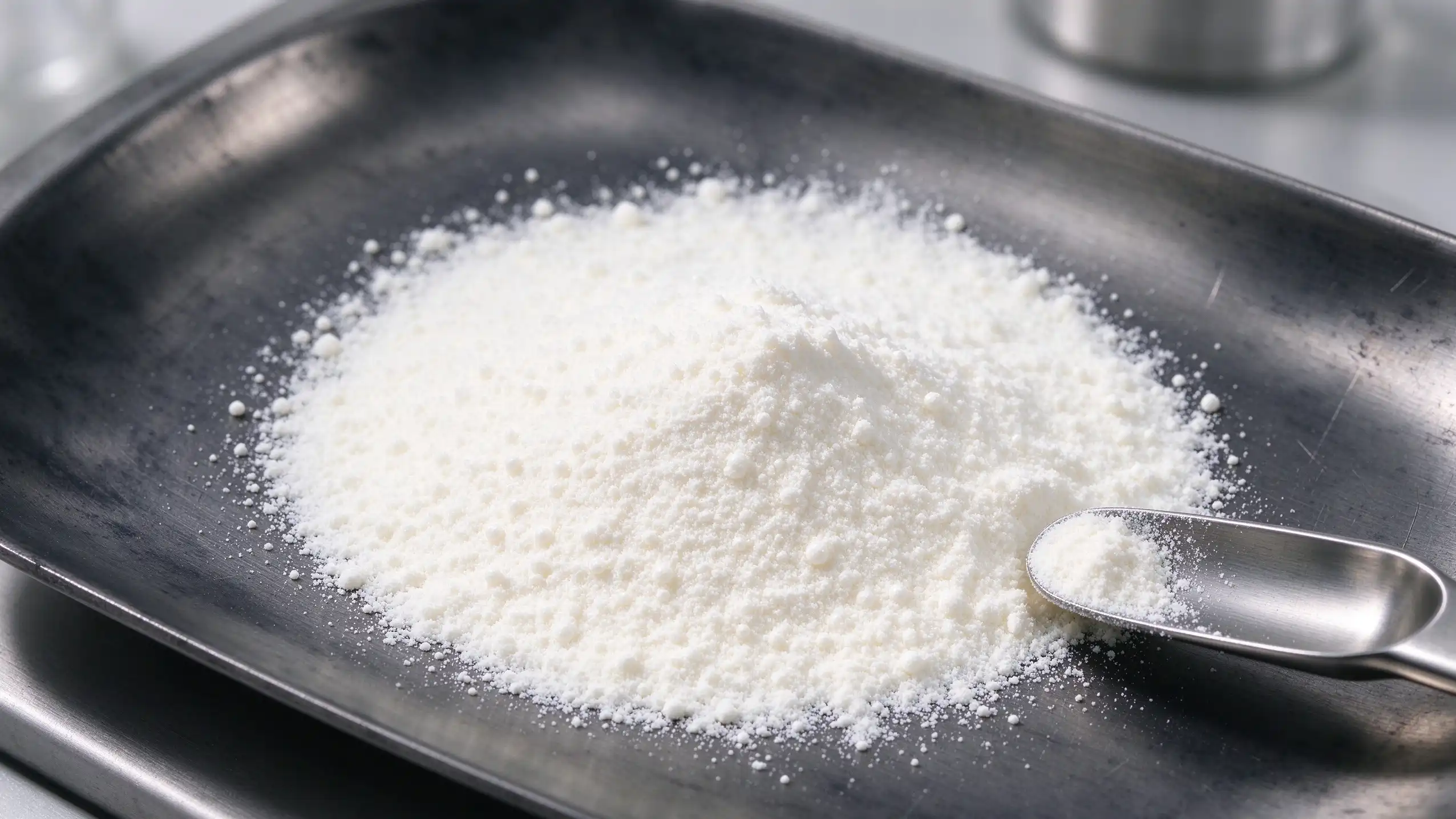
You cannot just dry-blend raw GSH and hope for the best. At Xi'an Tihealth, we solve this by supplying Reduced L-Glutathione (GSH Powder) in advanced micro-encapsulated and liposomal formats. This physically shields the molecule. Here is a breakdown of the chemistry and the specs you need to verify.
1. The 3 Bench Realities of Sourcing GSH API
The Odor Trap: Managing the Sulfhydryl Group
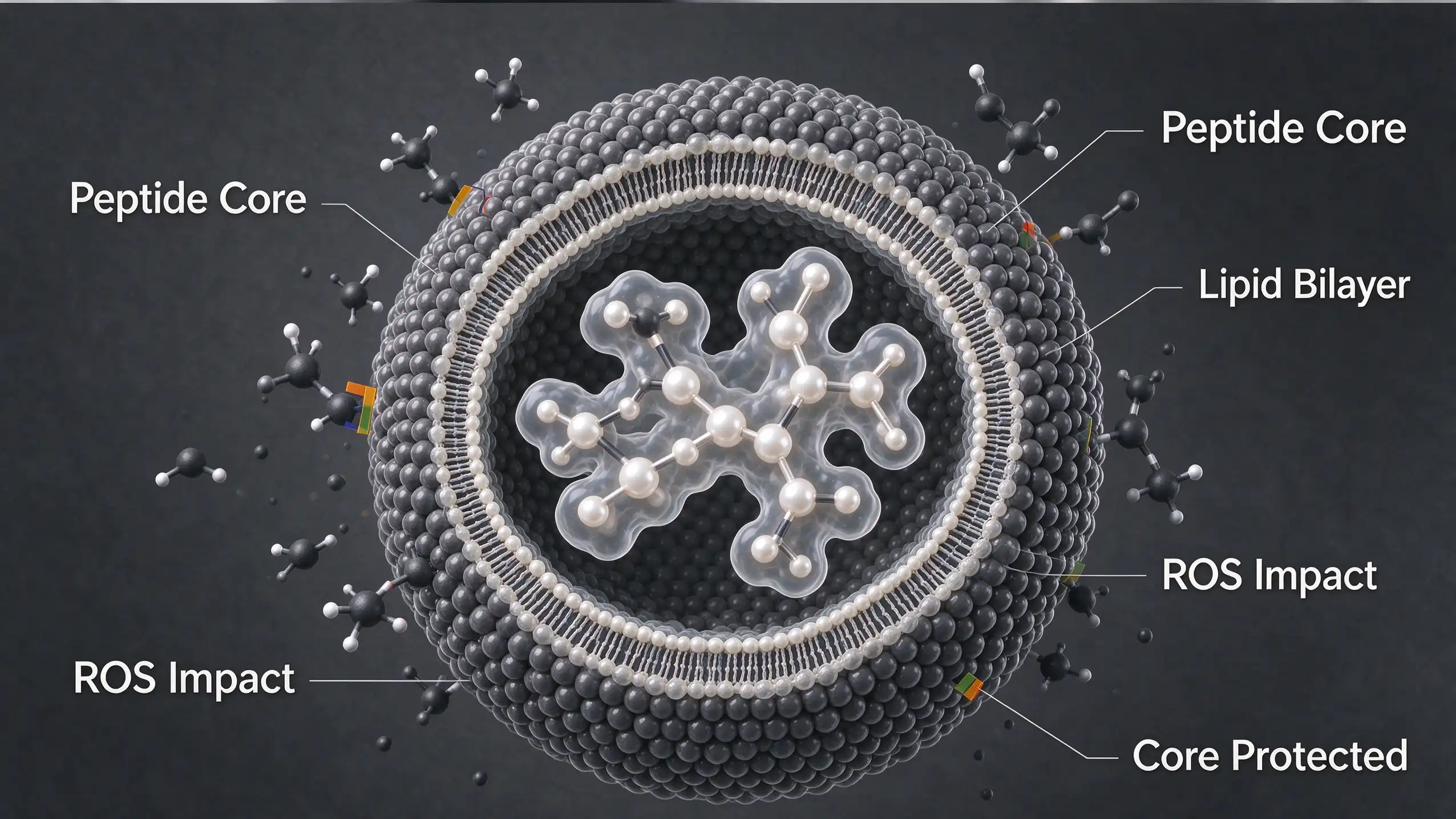
The sulfur smell isn't a defect; it's a chemical reality of the cysteine amino acid within the glutathione structure. However, in consumer health products, sensory experience dictates repeat purchases. When you use raw GSH in a hard capsule, the moisture in the capsule shell (usually 13-16% for gelatin) interacts with the powder, accelerating the release of sulfuric gases inside the bottle. We utilize polymer or lipid micro-encapsulation to lock the active peptide inside a shell, completely masking the odor on the production floor and in the final retail bottle.
The Oxidation Cliff: GSH vs. GSSG
"Reduced" means the molecule is carrying an extra electron, ready to donate it to a free radical. This makes it highly reactive. If you blend raw GSH in an open vat, or worse, try to put it in a liquid beverage without advanced technology, ambient oxygen will strip that electron. The active GSH dimerizes into GSSG (oxidized glutathione). Your COA might say 99% GSH at the factory, but by month three on the retail shelf, your product is biologically dead. Our encapsulation acts as an absolute physical barrier against atmospheric oxygen.
Gastric Survival and Liposomal Delivery
If the raw peptide survives the shelf, it still has to survive the stomach. Gastric proteases (enzymes) quickly cleave raw glutathione into its three constituent amino acids before it can reach the small intestine for systemic absorption. For high-end systemic brightening formulations, we supply Liposomal GSH. By encasing the peptide in a phospholipid bilayer, it bypasses gastric digestion and fuses directly with intestinal cell membranes, dramatically increasing the amount of intact GSH entering the bloodstream.
2. What to Look for on the Spec Sheet
If your current GSH supply smells terrible or fails shelf-life testing, compare your material against our engineered API specs.
| Spec Metric | Raw Commodity GSH | Xi'an Tihealth Encapsulated GSH |
|---|---|---|
| Sensory / Odor | Pungent sulfur odor out of the drum. Bleeds through capsule shells. | Odor-masked. The shell locks in sulfuric gases, ensuring a clean consumer experience. |
| Assay Stability (Shelf-life) | Rapid conversion to GSSG (oxidized form) upon exposure to air and moisture. | Highly stable. Physical shielding protects the ≥98.0% active load throughout a 24-month shelf life. |
| Bioavailability | Cleaved by gastric proteases; extremely low systemic absorption. | Liposomal formats bypass gastric degradation, delivering intact GSH to the small intestine. |
| Formulation Compatibility | Reacts aggressively with other antioxidants (like Vitamin C) in the blending vat. | Isolated from the matrix. Can be safely co-formulated with reactive brightening agents. |
Formulation Operations FAQ
Yes, by definition. If you buy 1kg of pure raw GSH, it's ~99% GSH. If you buy 1kg of micro-encapsulated GSH, a portion of that weight is the lipid or polymer shell (often standardizing the active load to 50% or 75%). However, because the raw powder oxidizes so fast and gets destroyed in the stomach, the actual systemic bioavailability of the encapsulated version is significantly higher for the end-user.
You need to specify the application before ordering. Standard lipid encapsulation is designed for dry capsules and powders. If you put it in water, the lipid shell may cause cloudiness or separate over time. If you are doing RTD (Ready-to-Drink) liquids, you must request our specific water-dispersible liposomal formats designed to stay suspended in aqueous solutions.
Yes, this is the classic "systemic brightening" stack. Vitamin C actually helps regenerate oxidized glutathione back into its active reduced state in the body. By using our encapsulated GSH, you prevent premature reactions between the two ingredients inside the capsule shell, ensuring they only activate once digested.
In biochemistry, "reduced" means it has an electron to give away (making it an active antioxidant). Once it neutralizes a free radical, it loses that electron and becomes "oxidized" (GSSG), which is inactive. You always want to procure the "Reduced" (GSH) form. The challenge, which we solve via encapsulation, is keeping it in that reduced state during manufacturing and shelf life.
Stop Wasting Your API.
If your finished product stinks of sulfur or fails stability testing, your raw GSH is oxidizing. Reach out to our technical team for micro-encapsulated and liposomal formats that survive the blending tank and the stomach.
Request Technical Data & SamplesDisclaimer: These bench notes are for B2B industry education and authorized R&D reference only. Not for direct consumer use. Formulation limits, stability testing, and claims must be validated by qualified personnel according to regional compliance regulations.
Send Inquiry