

Navigating the 2028 Animal Extract Audit Cliff?
May 11, 2026
Leave a message
Navigating the 2028 Animal Extract Audit Cliff?
Strategic Whitepaper by Xi'an Tihealth Biological Division | Viral Clearance & Molecular Integrity
Pathogens do not negotiate. In the biopharmaceutical landscape leading up to 2028, the value of Animal Extracts is strictly dictated by your Risk Mitigation Architecture. Animal-derived molecules-like chondroitin, collagen, and pancreatic enzymes-share massive biological homology with humans. This guarantees superior clinical efficacy, but it also guarantees high susceptibility to cross-species viral contamination. At Xi'an Tihealth, we view a Certificate of Analysis (COA) lacking a validated Viral Inactivation Log Reduction Factor (LRF) as a legal liability, not a product specification. As regulatory tightening accelerates, we don't just extract bioactives; we engineer absolute biological safety.
Why Does Viral Clearance Define API Survival?
Contamination is the Achilles' heel of animal-derived raw materials. Whether sourcing from bovine cartilage or porcine pancreas, your manufacturing protocol must deploy Orthogonal Viral Clearance. A single filtration step is regulatory suicide.
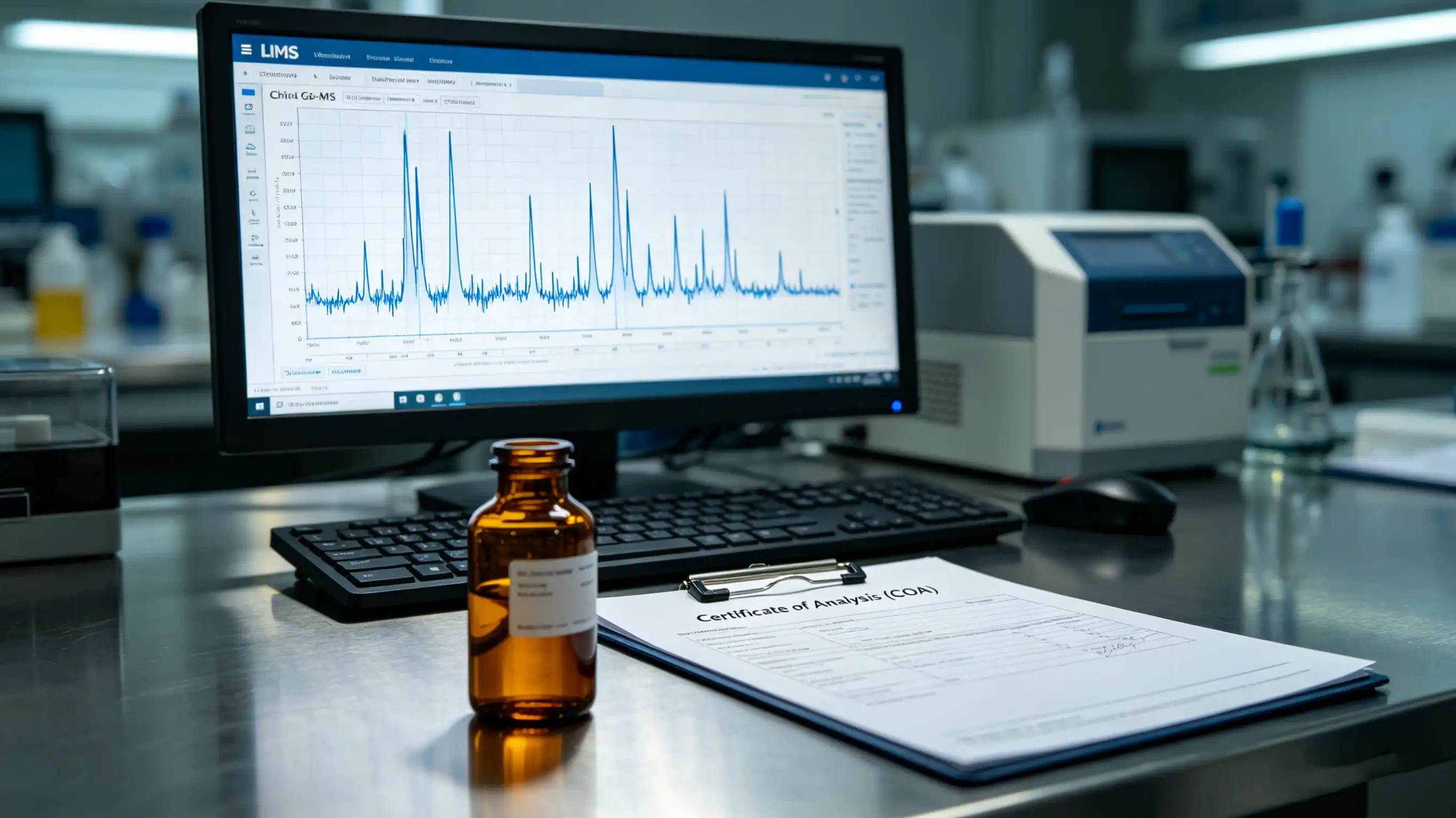
Orthogonal viral clearance workflow featuring nanofiltration and low-pH inactivation.
FDA and EMA auditors demand quantified elimination of both enveloped and non-enveloped viruses. Xi'an Tihealth integrates strict low-pH holds, Solvent/Detergent (S/D) treatments, and terminal nanofiltration. We validate these steps using precise PCR diagnostics. If an extract hasn't achieved an LRF > 4 across multiple pathogen models, it never leaves our quarantine zone.
How Does Traceability Neutralize BSE/TSE Risks?
Transmissible Spongiform Encephalopathies (TSE) terrify customs agents. By 2028, manual paper origin certificates will face unprecedented scrutiny. Sourcing safe bovine or ovine materials requires absolute geographic and biological isolation.
Xi'an Tihealth sources exclusively from OIE-designated negligible risk countries (e.g., New Zealand, Australia). More importantly, we deploy Immutable Digital Traceability. We link the final active ingredient back to the exact abattoir batch, proving the absolute exclusion of Specified Risk Materials (SRMs) like brain or spinal tissue. We deliver audit-proof peace of mind for your next clinical submission.
How to Eliminate Allergenic Proteins via HPLC Verification?
A major risk in animal extracts is immunogenicity. Large, intact animal proteins can trigger severe allergic reactions in human patients. The industry standard is to break these down, but how do you mathematically prove the allergens are gone?
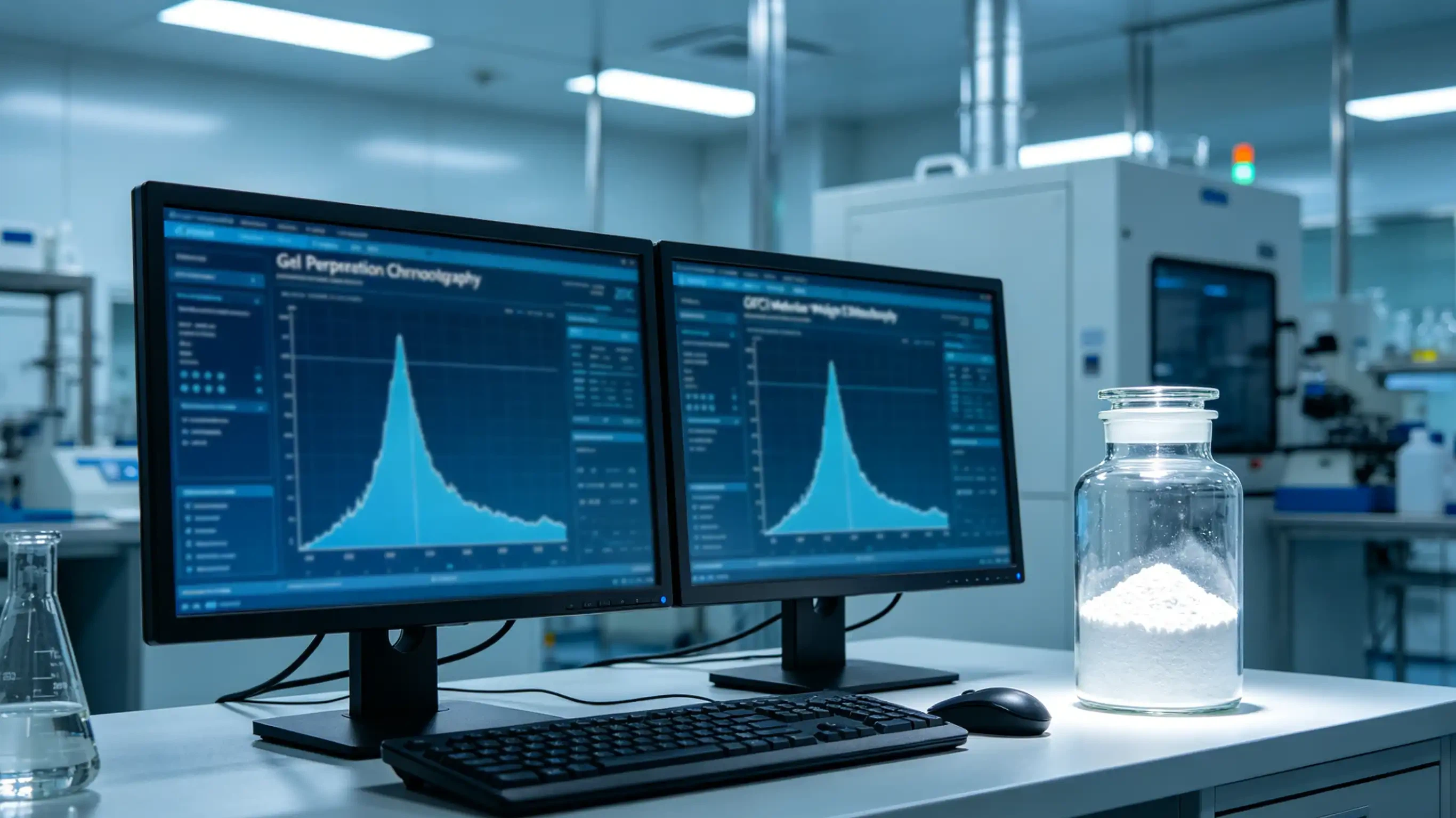
HPLC analysis ensuring the absence of large immunogenic proteins in animal extracts.
We utilize targeted enzymatic hydrolysis followed by advanced High-Performance Liquid Chromatography (HPLC) profiling. As seen in our data, we ensure the complete absence of large macro-proteins, yielding only safe, low-molecular-weight bio-peptides. This analytical rigor guarantees high dermal bioavailability while rendering the extract completely hypoallergenic.
Why Is Enzymatic Potency Testing Mandatory?
For digestive APIs like Pancreatin or Pepsin, purity is irrelevant if the enzyme is dead. Animal-derived enzymes are incredibly fragile. High-shear mixing or thermal spikes cause irreversible collapse of their tertiary protein structures.

Protein folding preservation during industrial lyophilization process.
Xi'an Tihealth utilizes Cold-Chain Extraction and precise Lyophilization (Freeze-Drying). We avoid spray-drying heat damage entirely. We validate the catalytic power of every milligram using USP standard substrate kinetic assays. Choosing a supplier without advanced thermodynamic controls guarantees batch failure.
Critical Audit Parameters for Animal Bioactives
| Audit Variable | Xi'an Tihealth Standard | Market Risk Avoidance |
|---|---|---|
| Pathogen Safety | BSE/TSE-Free Certified (OIE Negligible) | Prevents EU/US Customs Rejection |
| Viral Clearance | Orthogonal LRF ≥ 4 (Validated) | Ensures Clinical Patient Safety |
| Molecular Weight | HPLC-Verified Target Daltons | Guarantees Hypoallergenic Efficacy |
| Heavy Metals | ICP-MS Purge (Pb < 0.1ppm) | Eliminates Bio-accumulation Risk |
Strategic Animal Extracts Sourcing FAQ
1. How is BSE/TSE risk practically eliminated?Regulatory References & Technical Standards
- ICH Q5A(R1): Viral Safety Evaluation of Biotechnology Products Derived from Cell Lines of Human or Animal Origin.
- WHO Guidelines: Transmissible Spongiform Encephalopathies (TSE) in relation to Pharmaceutical Products.
- USP <1024>: Bovine Serum-Derived Products - Quality and Safety Attributes.
Send Inquiry