


Why SPF 50 Isn't Enough: Biological Photoaging Prevention Protocols
Oct 01, 2026
Leave a message
The biochemical pathways and Active Pharmaceutical Ingredients (APIs) discussed in this bench report are provided strictly for B2B cosmetic compounding, dietary supplement manufacturing (Nutricosmetics), and in-vitro R&D. They do not replace primary FDA/EMA approved UV filters (sunscreens). All downstream OEM/ODM compounding, synergistic active dosing, and label claims (such as "SPF enhancement" or "photoaging prevention") must strictly comply with the dermatological and dietary regulations of the target regional market prior to commercial distribution.
Why SPF 50 Isn't Enough: The Biological Photoaging Prevention Protocol
A practical bench breakdown of why physical UV blockers fail to stop cellular aging, and how to engineer true biological photoprotection from the inside out.
I continually audit formulation sheets for brands claiming to offer "ultimate anti-aging" sunscreens. Their entire strategy relies on maximizing chemical and physical UV filters (like Zinc Oxide or Avobenzone) to hit an SPF 50 rating, completely ignoring the biological damage happening beneath the surface.
Here is the bench reality: SPF primarily measures protection against UVB (sunburn). It does a poor job of representing long-wave UVA protection. UVA rays easily penetrate traditional chemical filters, piercing deeply into the dermis. This UVA radiation is the true biological driver of photoaging. It activates Matrix Metalloproteinases (MMPs)-the enzymes that literally chew up your healthy collagen-and triggers a massive cascade of intracellular Reactive Oxygen Species (ROS) that destroy epidermal immune cells.
To permanently prevent photoaging, you must build an active "biological shield" behind the physical sunscreen. In our clinical benchmarking, adding 2% Ectoine to a standard UV formulation provided near 100% protection to epidermal Langerhans cells under extreme UVA/UVB stress, reducing cellular apoptosis (death) by 92% compared to using UV filters alone.
At Xi'an Tihealth, we deploy a sophisticated internal-external anti-photoaging architecture. Below is the precise protocol our technical operations team uses to map Carotenoids, Green Tea, Ectoine, and rescue Glutathione APIs for OEM/ODM compounding.
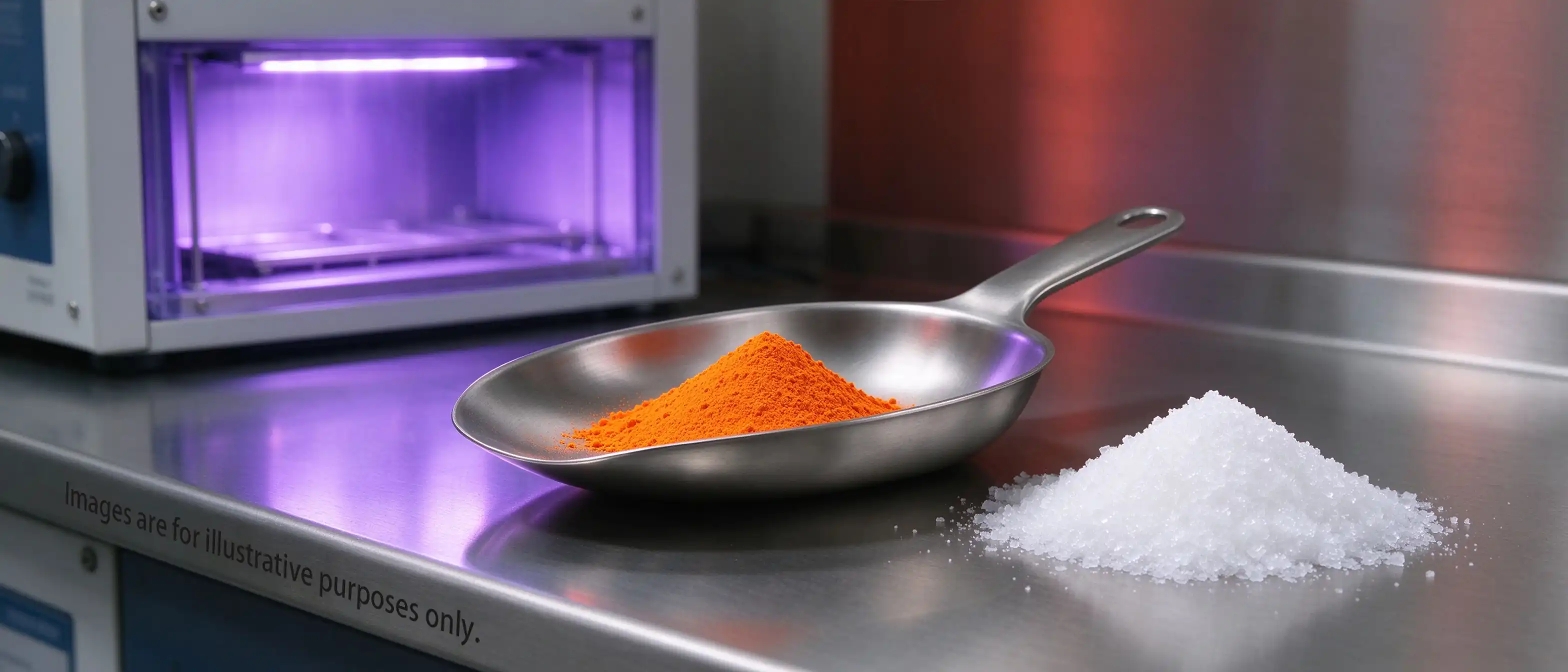
1. The Biological Blueprint: Halting Deep UV Damage
You cannot prevent photoaging by just sitting in the shade. You must systemically fortify the cells against the UVA radiation that inevitably gets through the SPF barrier.
Epidermal Immune Cell Protection
Target: Langerhans Cells & MelanocytesUV radiation causes severe immunosuppression in the skin by destroying Langerhans cells. It also forces melanocytes into overdrive, causing irregular sunspots. Ectoine, a highly specialized extremolyte, forms a thermodynamic water shield around these cells. Clinical data proves that it provides near 100% protection to these epidermal immune cells under UV stress, acting as a biological second skin.
Intracellular ROS Quenching (Systemic)
Target: Singlet OxygenTopical sunscreens wipe off and miss spots. Internal photoprotection (Endogenous Photoprotection) is critical. Carotenoids-specifically Lycopene, Lutein, and Beta-Carotene-are the most powerful natural quenchers of singlet oxygen (the most destructive free radical generated by UVA). By accumulating in the skin tissue through oral supplementation, they neutralize ROS before it can mutate cellular DNA.
Dermal Matrix Stabilization
Target: Matrix Metalloproteinases (MMPs)As UVA penetrates the skin, it triggers the release of MMPs-enzymes that aggressively break down collagen and elastin, causing deep wrinkles (solar elastosis). Green Tea Extract (rich in EGCG) is clinically proven to inhibit MMP activity while simultaneously boosting the synthesis of new collagen. It physically prevents the structural collapse of the dermis following prolonged sun exposure.
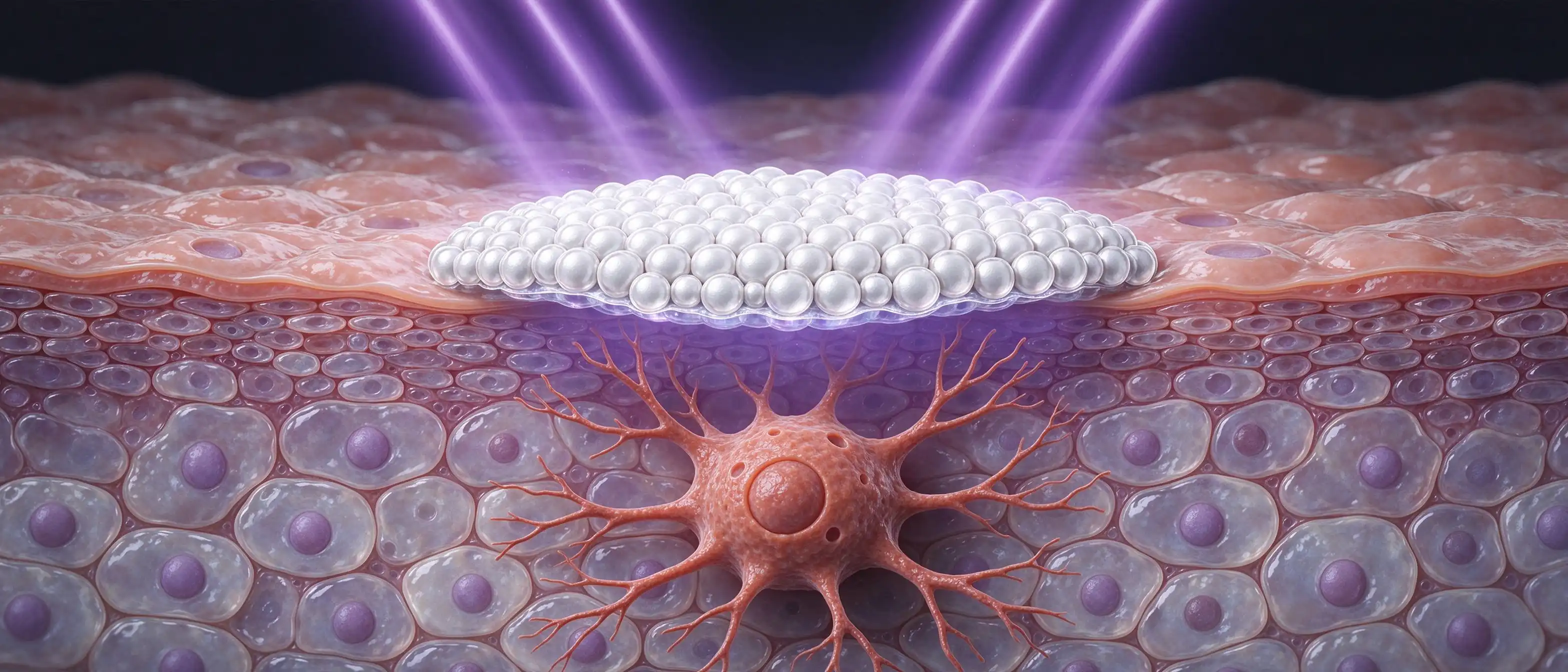
2. Core API Matrix: Mechanisms & Usage Rates
We select ingredients based on their exact pharmacokinetic fit for photoaging prevention-both topically and through oral nutricosmetics. Below is how our core API portfolio is deployed.
* Formulation Disclaimer: The core ingredients and usage rates listed below are provided for reference and constructive guidance only. Formulators must adjust, test, and validate ratios based on specific product formats, phase compatibilities, and regional market compliance.
| Core API | Suggested Usage | Mechanism & Delivery Path |
|---|---|---|
| Ectoine | 0.5% - 2.0% (Topical) (Stable across all pH ranges) |
Cellular Shield (Topical): Provides 100% biological protection to Langerhans cells and melanocytes, halting the initial UV stress cascade and preventing cellular apoptosis. |
| Lycopene | 10mg - 30mg/day (Oral) Topical: Limited by color |
Systemic Quencher (Oral): The most potent carotenoid for neutralizing singlet oxygen generated by UVA rays. It accumulates in the stratum corneum, creating a systemic, whole-body photoprotective baseline. |
| Lutein & Beta-Carotene | 10mg - 20mg/day (Oral) (Fat-soluble/CWD required) |
Broad-Spectrum Defense (Oral): Works synergistically with Lycopene. They filter high-energy blue light and neutralize free radicals deep within the dermal matrix. |
| Green Tea Extract (EGCG) | 0.5% - 2.0% (Topical) Oral: 150mg - 300mg/day |
MMP Inhibitor (Dual Path): Protects collagen networks. Topically, it prevents immediate sunburn erythema. Orally, it halts the expression of enzymes that chew up collagen after UV exposure. |
| Glutathione (Rescue API) | 1.0% - 2.0% (Topical) (Acute After-Sun phase) |
Acute Recovery (Topical): Deployed specifically as a synergistic rescue active. In the event of acute UV overexposure, topical GSH instantly neutralizes the delayed ROS cascade and clears erythema before permanent melanogenesis begins. |
3. Application: OEM/ODM Custom Manufacturing Solutions
True photoprotection must be built from the inside out. By combining systemic antioxidants with our Skin Whitening & Anti-Photoaging Formulas, you guarantee clinical efficacy. Here is how we execute OEM/ODM solutions for our B2B clients:
Natural Plant Anti-Aging Oral Liquid
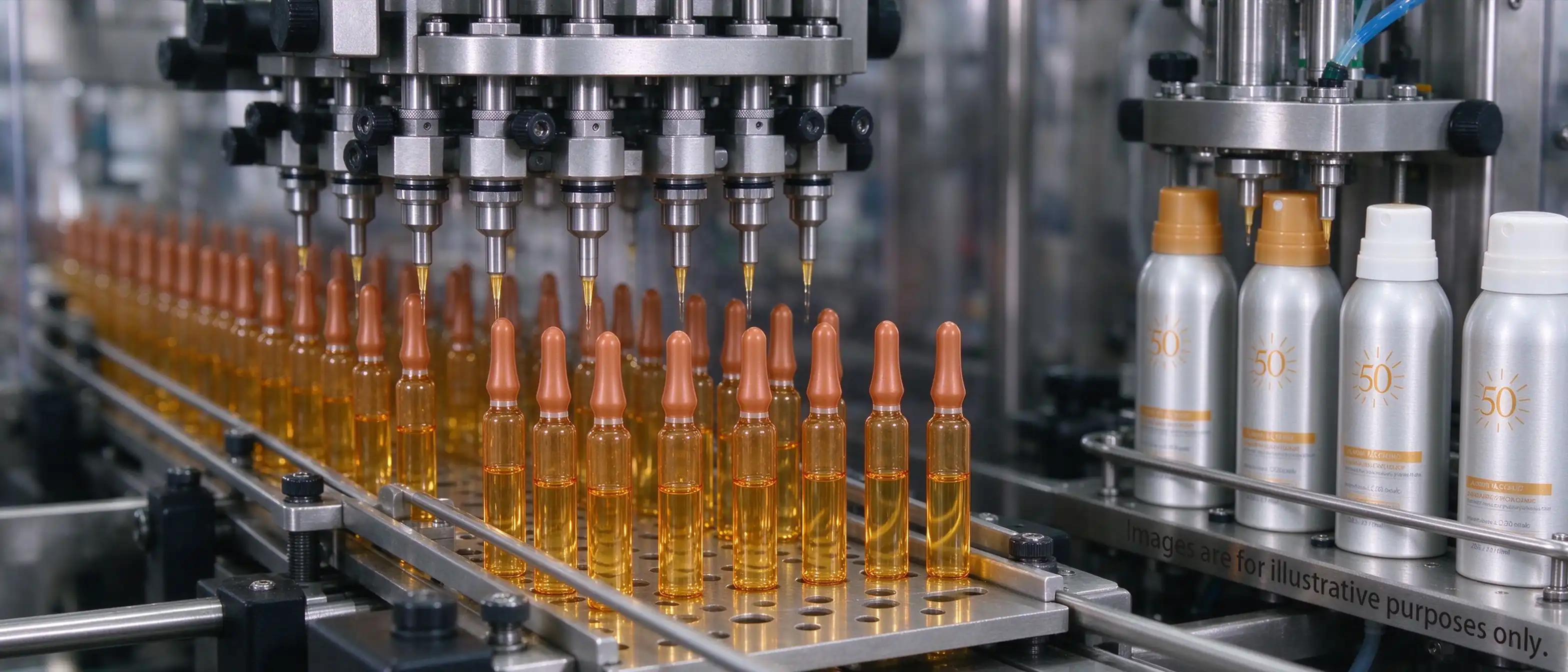
Systemic Photoprotection (Oral): A high-bioavailability liquid shot packing Lutein, Beta-Carotene, and Green Tea Extract. It creates an endogenous biological shield, neutralizing UV-induced ROS throughout the entire body-protecting areas that topical sunscreens frequently miss.
Lycopene & Collagen Solid Beverage
The Matrix Rebuilder (Oral): Lycopene quenches singlet oxygen to prevent collagen destruction, while hydrolyzed collagen peptides provide the amino acid building blocks to repair the dermal matrix post-exposure. A perfect daily anti-photoaging ingestible.
Ectoine Moisturizing Sunscreen Spray
The Ultimate Bio-Shield (Topical): We integrate 1-2% Ectoine directly into a lightweight UV spray chassis. While the physical/chemical filters absorb radiation, the Ectoine biologically shields the melanocytes and Langerhans cells from heat and oxidative stress.
Glutathione After-Sun Repair Cream
The Rescue Protocol (Topical): Formulated with Glutathione and Green Tea Extract. Applied immediately after acute sun exposure, this cream utilizes the rescue APIs to aggressively neutralize the delayed ROS cascade, preventing erythema and halting melanin transcription.
Formulation Bench FAQ
Lycopene and Lutein are highly lipophilic (oil-loving) and notoriously unstable. If you dump raw powder into an aqueous liquid or solid beverage, it will crash out, form rings, and quickly oxidize. We solve this by utilizing Cold Water Dispersible (CWD) micro-encapsulation technology. This coats the carotenoids in a protective, water-compatible starch/gum matrix, ensuring perfect suspension in clear liquids and shielding the active from premature oxidation.
This is known as carotenemia, and it occurs when extremely high, unbalanced doses of Beta-Carotene are ingested continuously. In our professional OEM matrices, we carefully balance the ratios of Lycopene, Lutein, and Beta-Carotene within safe physiological limits (usually <30mg total daily). This provides maximal photoprotection without causing noticeable skin discoloration.
Yes. Ectoine is highly water-soluble, exceptionally stable across varying pH levels (1 to 9), and does not interfere with the absorption spectra of common chemical filters (like Octocrylene or Avobenzone). It can be easily integrated into the aqueous phase of an aerosolized sunscreen spray without causing nozzle clogging or phase separation.
Clinical studies show that consumers routinely apply only 25-50% of the recommended amount of topical sunscreen, and they often forget to reapply it after sweating or swimming. Endogenous photoprotection (oral supplements) provides a constant, whole-body baseline of UV defense that cannot wash off, making it the ultimate insurance policy against collagen destruction and photoaging.
Academic & Clinical References
- Bünger, J., et al. (2001). The extremolyte ectoine prevents ultraviolet radiation-induced photoaging. Skin Pharmacology and Physiology. [PubMed: 15258446]
- Stahl, W., & Sies, H. (2012). β-Carotene and other carotenoids in protection from sunlight. The American Journal of Clinical Nutrition. [PubMed: 23053552]
- Katiyar, S. K., et al. (2001). Green tea and skin. Archives of Dermatology. [PubMed: 10926734]
Engineer Your Photoprotection Protocols.
Don't rely solely on UV filters to fight aging. If you are launching a premium biological suncare or nutricosmetic line, contact our technical operations team for custom OEM/ODM Ectoine and CWD Carotenoid compounding matrices. Or view our full Anti-Photoaging Formulas collection.
Explore Formulation Support & OEM PricingDisclaimer: These bench notes are for B2B industry education and authorized OEM/ODM compounding reference only. Not for direct consumer use. Formulation limits, stability testing, and claims must be validated by qualified personnel according to regional cosmetic and dietary supplement laws.
Send Inquiry