


Beyond Calcium Carbonate: Engineering High-Bioavailability Bone Density Formulations
Nov 07, 2026
Leave a message
The pharmacokinetic mechanisms, chelation chemistry, and Active Nutritional Ingredients (ANIs) discussed in this bench report are provided strictly for B2B nutraceutical compounding, functional food manufacturing, and R&D. They do not constitute clinical medical treatments for severe osteoporosis. All downstream OEM/ODM compounding, bioavailability claims, and dosage labeling must strictly comply with the dietary regulations of the target regional market (e.g., FDA, EFSA) prior to commercial distribution.
Beyond Calcium Carbonate: Engineering High-Bioavailability Bone Density Formulations
A forensic R&D evaluation of amino acid chelation, Vitamin D synergistic catalysts, and why legacy inorganic calcium salts are sabotaging consumer gastrointestinal compliance.
Osteoporosis prevention and bone density enhancement represent one of the most consistent revenue drivers in the global nutraceutical sector. However, the formulation architecture underlying the vast majority of commercial products is fundamentally flawed. Legacy brands continue to rely on inorganic calcium salts-primarily Calcium Carbonate or Calcium Citrate-driven entirely by low raw material costs and high elemental calcium percentages.
The clinical reality is severe: inorganic calcium requires intense gastric acid for ionization, exhibits abysmal intestinal absorption rates, and unabsorbed calcium ions react with dietary fats to form insoluble soaps in the lower intestine. This leads to the hallmark side effects of traditional calcium supplementation: severe gastrointestinal irritation, bloating, and chronic constipation. The consumer stops taking the product, and brand retention plummets.
At Xi'an Tihealth, we engineer solutions based on biochemical bioavailability, not just elemental input. Our osteo-matrix design gives absolute priority to highly bioavailable chelated structures, specifically Calcium dihydrogen di-L-aspartate, compounded synergistically with Vitamin D and Sodium Hyaluronate.
Below is the precise technical directive our operations team uses to deconstruct intestinal transport barriers, mitigate GI distress, and execute high-performance OEM compounding across five distinct delivery formats.
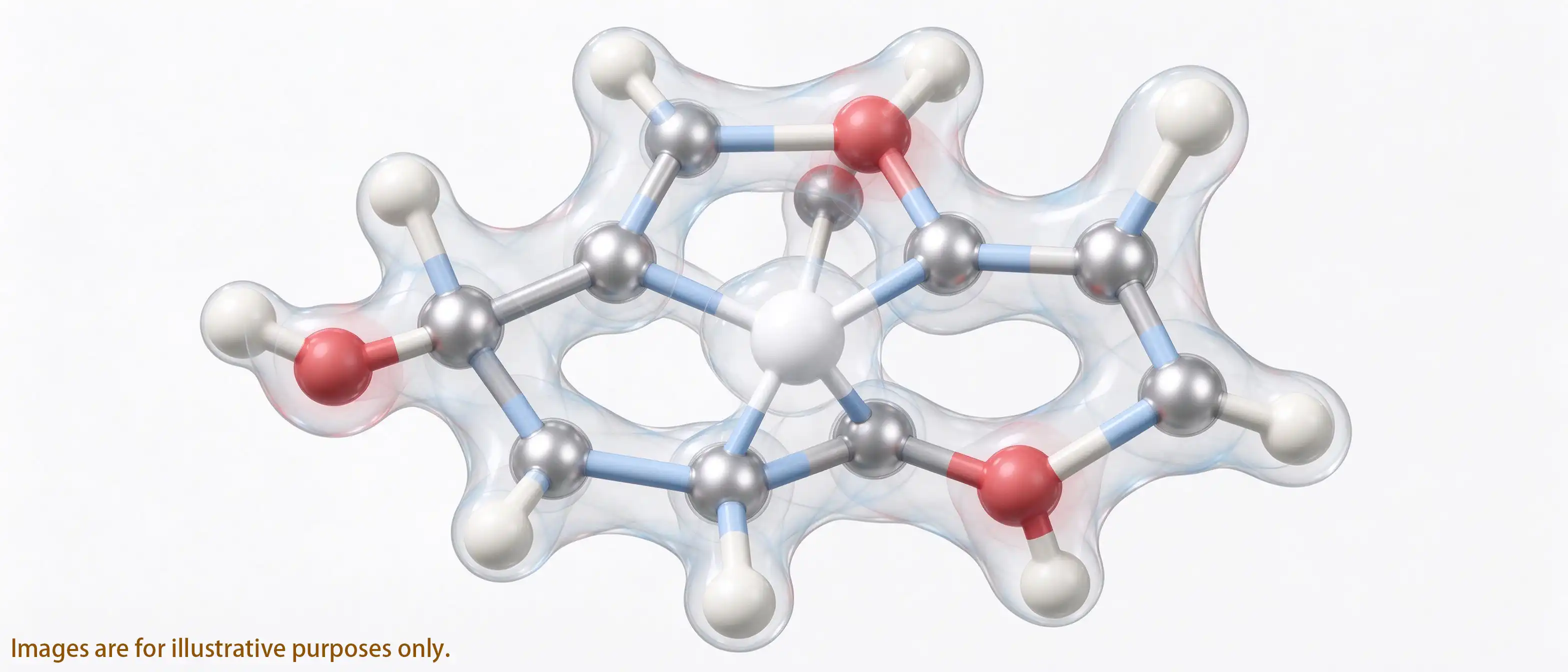
1. The Biochemical Blueprint: Tri-Factor Osteo-Integration
Calcium Aspartate (The Chelation Advantage)
Target: Intestinal Transcellular TransportCalcium dihydrogen di-L-aspartate operates on a fundamentally different pharmacokinetic pathway than inorganic salts. The calcium ion is covalently bonded to two molecules of L-aspartic acid, forming a stable heterocyclic ring. This molecular "armor" protects the calcium from premature ionization in gastric acid and prevents it from binding to dietary inhibitors (like phytates or oxalates) in the gut. Instead of relying on passive diffusion, the intact chelate is actively recognized and transported by amino acid channels in the jejunum. The result is a profound increase in bioavailability and a total elimination of constipation side effects.
Vitamin D (The Synergistic Catalyst)
Target: Calbindin Expression & Osteoblast ActivationDelivering calcium to the bloodstream is only the first phase; depositing it into the bone matrix requires enzymatic catalysts. Vitamin D functions as a secosteroid hormone. Once hydroxylated into its active form (Calcitriol), it binds to the Vitamin D Receptor (VDR) in the intestine, upregulating the expression of Calbindin-D9k-a crucial calcium-binding protein that facilitates rapid mucosal transport. Without precisely titrated Vitamin D in the formulation, even highly bioavailable calcium will struggle to achieve optimal bone mineral density (BMD) improvements.
Sodium Hyaluronate (The Joint-Bone Axis)
Target: Synovial Fluid & Extracellular MatrixWhile the industry views Sodium Hyaluronate purely as a dermal hydrator, clinical osteology paints a broader picture. Bone health is inextricably linked to joint mechanics. Sodium Hyaluronate is a primary structural component of synovial fluid and articular cartilage. Including specific molecular weights of Hyaluronan in a calcium formulation provides comprehensive musculoskeletal support, lubricating the friction points of the skeletal system while simultaneously providing a signaling scaffold that may support osteoblast proliferation.
2. Core API Technical Data Sheet (R&D Spec Check)
To ensure your final dietary supplement achieves regulatory compliance and 24-month stability, mandate these pharmaceutical-grade specifications on your procurement sheets.
| Technical Parameters | Xi'an Tihealth Specification | Test Method & R&D Advantage |
|---|---|---|
| API Nomenclature | Calcium dihydrogen di-L-aspartate | Verifies true chelation vs. physical mixtures. |
| Elemental Calcium Yield | 11.0% - 13.0% | Atomic Absorption (AAS). Ensures accurate nutritional labeling. |
| Solubility (20°C) | Highly Soluble in Water | Critical: Enables clear liquid beverage and oral solution formulations. |
| Particle Size (Mesh) | 100% through 80 Mesh | Guarantees flawless dispersion in direct-compression tableting. |
| Heavy Metals (Pb, As) | ≤ 1.0 ppm | ICP-MS. Absolute necessity for pediatric & geriatric safety compliance. |
3. Application: OEM/ODM Custom Manufacturing Solutions
A high-bioavailability API requires a highly compliant delivery format. Different demographics demand different sensory experiences. Here is how Xi'an Tihealth's technical operations team executes Calcium Aspartate + Vitamin D compounding across five premium OEM/ODM formats:
1. Calcium Oral Solutions
The Rapid Absorber: Utilizing the exceptional water solubility of Calcium Aspartate, we formulate clear, sterile liquid ampoules. By micro-emulsifying lipophilic Vitamin D3 into the aqueous phase, we create a high-potency, fast-acting solution ideal for pediatric or geriatric demographics with dysphagia (difficulty swallowing pills).
2. Bone Density Liquid Beverages
The Lifestyle RTD: Ready-to-drink (RTD) beverages face severe flavor-masking challenges due to the astringent, metallic notes of raw minerals. We engineer the organoleptic profile utilizing advanced flavor encapsulation and synergize the calcium matrix with botanical extracts and Sodium Hyaluronate for a premium joint-and-bone sports nutrition drink.
3. Calcium Aspartate Jellies
The Rheological Challenge: Formulating mineral jellies is notoriously difficult; free calcium ions rapidly cross-link with pectin or carrageenan, causing the hydrocolloid network to crash (syneresis). Because our chelated calcium is structurally bound, it does not prematurely react with the gelling agents, yielding a perfectly textured, delicious stick-pack jelly.
4. Calcium Absorption Solid Drinks
The Dispersion Matrix: For powdered sachets, flowability and instant dispersion are critical. We meticulously control the particle size distribution (Mesh Size) and utilize spray-drying techniques to ensure the Calcium Aspartate and Vitamin D powders blend uniformly without segregation (the "Brazil Nut Effect"), dissolving instantly without clumping.
5. Calcium Supplement Tablet Candies
Direct Compression Mastery: To manufacture robust chewable tablets without relying on massive amounts of synthetic binders, we optimize the bulk and tap density of the API. This ensures flawless direct compression on the rotary press, resulting in a durable, palatable tablet that resists crumbling and capping during international transit.
Frequently Asked Questions (Formulator FAQ)
Elemental percentage is a deceptive metric. While Calcium Carbonate is roughly 40% elemental calcium, it is practically insoluble at a neutral pH. It requires massive amounts of stomach acid to ionize, which causes severe bloating and gas (CO2 release). Its actual intestinal absorption rate is extremely low. Calcium Aspartate has a lower elemental yield (11-13%) but boasts an absorption rate magnitudes higher because the intact chelate bypasses gastric destruction and utilizes direct amino acid transport channels in the gut.
Raw Vitamin D3 oil will separate and float to the top of an aqueous solution, causing severe dosing inconsistencies. At Xi'an Tihealth, we utilize Cold Water Soluble (CWS) micro-encapsulated Vitamin D3 powders, or we employ advanced high-shear micro-emulsification techniques with clean-label surfactants to ensure the Vitamin D remains perfectly suspended and uniformly distributed within the liquid matrix over a 24-month shelf life.
The "chalky" or astringent off-notes are caused by free, unbound calcium ions interacting with taste receptors on the tongue. Because Calcium Aspartate is tightly covalently bonded within an amino acid ring, the mineral ions are physically sequestered from taste receptors. This inherently neutralizes the metallic off-notes, making it vastly superior for formulating pleasant-tasting jellies, liquid beverages, and chewable candies.
Required Scientific Corroboration
Anchor your regulatory dossiers in peer-reviewed pharmacokinetic literature:
- Journal of the American College of Nutrition: Bioavailability of calcium from various sources. Clinical demonstration of superior absorption via amino acid chelation pathways compared to inorganic carbonates.
- Nutrients (MDPI): Vitamin D, Calcium, and Bone Health. Comprehensive analysis of the Vitamin D Receptor (VDR) and Calbindin expression required for bone mineralization.
- Osteoarthritis and Cartilage: The role of hyaluronic acid in synovial fluid and joint mechanics. Evidence supporting the integration of HA for comprehensive musculoskeletal extracellular matrix support.
The Manufacturing Verdict: Stop Relying on Inorganic Salts.
The premium nutraceutical market has zero tolerance for gastrointestinal side effects and poor absorption. Formulate for chelation chemistry. Engineer for solubility. Ready to deliver actual clinical impact?
Request High-Bioavailability OEM PricingSend Inquiry