

High-Purity Risdiplam Powder for Pharmaceutical R&D: Synthesis and Cold-Chain Protocols
Sep 22, 2026
Leave a message
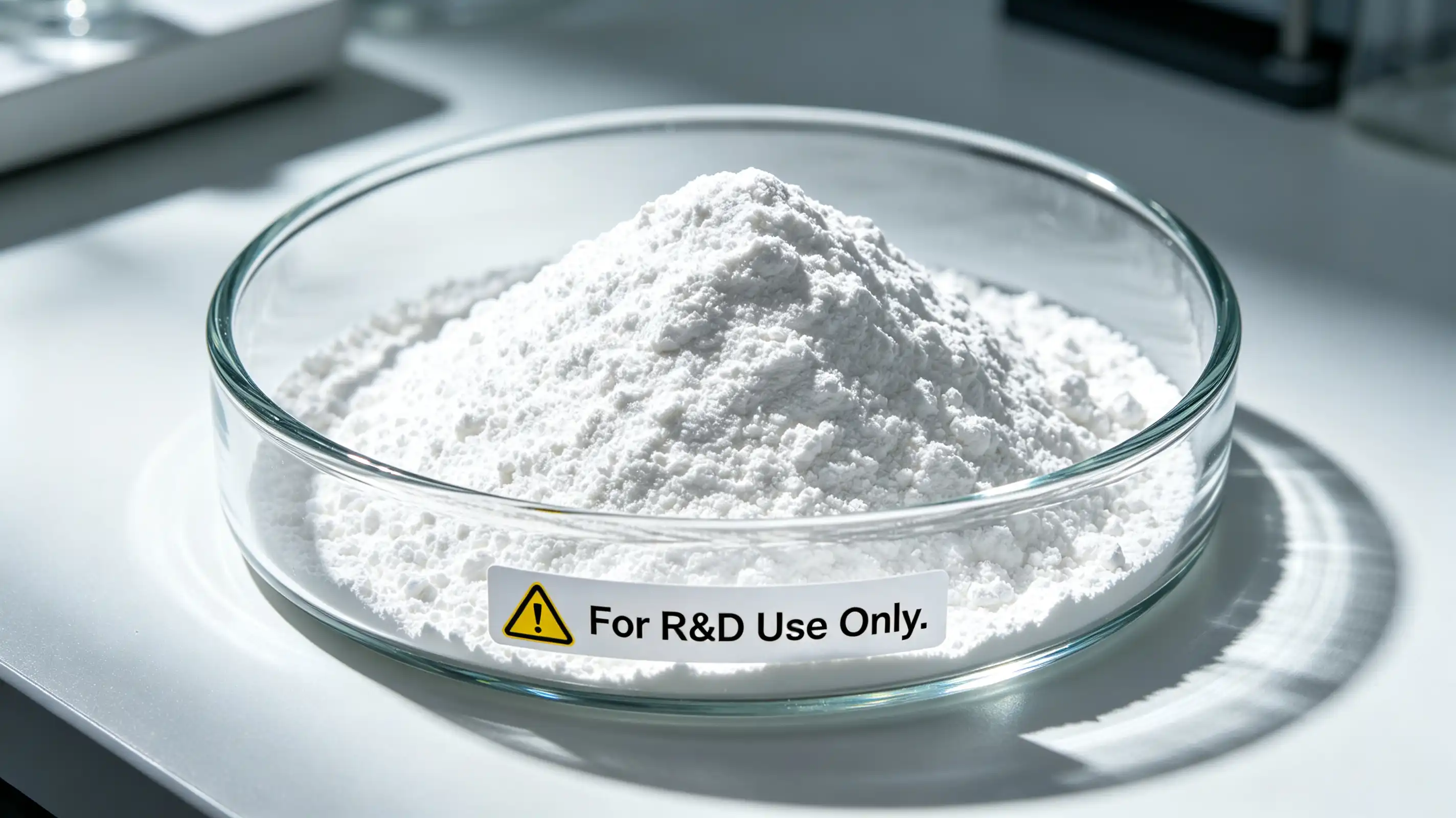
The product described herein (Risdiplam Powder, CAS No. 1825352-65-5) is supplied strictly as an unformulated Active Pharmaceutical Ingredient (API) and chemical raw material. It is explicitly designated for laboratory research, analytical reference standards, and authorized pharmaceutical manufacturing only. It is not a finished drug product and is strictly prohibited for direct human consumption, unapproved compounding, or retail distribution. Purchasing entities assume full legal liability for patent compliance, intellectual property research exemptions, and adherence to local governmental pharmacopeial regulations.
Sourcing Risdiplam API (CAS 1825352-65-5): An R&D Guide to SMN2 Splicing Modifiers
A Technical Dossier on Pre-mRNA Molecular Target Kinetics, Heterocyclic Synthesis, and Sub-Zero Handling Protocols.
Pharmaceutical pipeline development demanded a systemic, membrane-permeable alternative. Risdiplam (CAS 1825352-65-5) isolates this exact mechanical capability. It is a synthetic, low-molecular-weight pyridazine derivative (C22H23N5O). Current pharmacological literature documents its ability to penetrate the BBB effortlessly. Once inside the nucleus, it acts upon the paralogous SMN2 gene, mechanically modifying pre-mRNA splicing to promote the inclusion of exon 7, thereby restoring functional SMN protein levels.
Procuring this highly specialized API requires rigorous supplier vetting. The molecule is highly susceptible to oxidative and thermal degradation. It mandates strict synthesis environmental controls, heavy-metal catalyst purging, and an unbroken -20°C cold chain. Xi'an Tihealth manufactures this API strictly for authorized research institutions, analytical laboratories, and licensed drug developers. This report details the biochemical mechanics of the molecule, the physical handling requirements, and the forensic liquid chromatography specifications.
1. Molecular Action: Modifying Pre-mRNA Transcriptomics
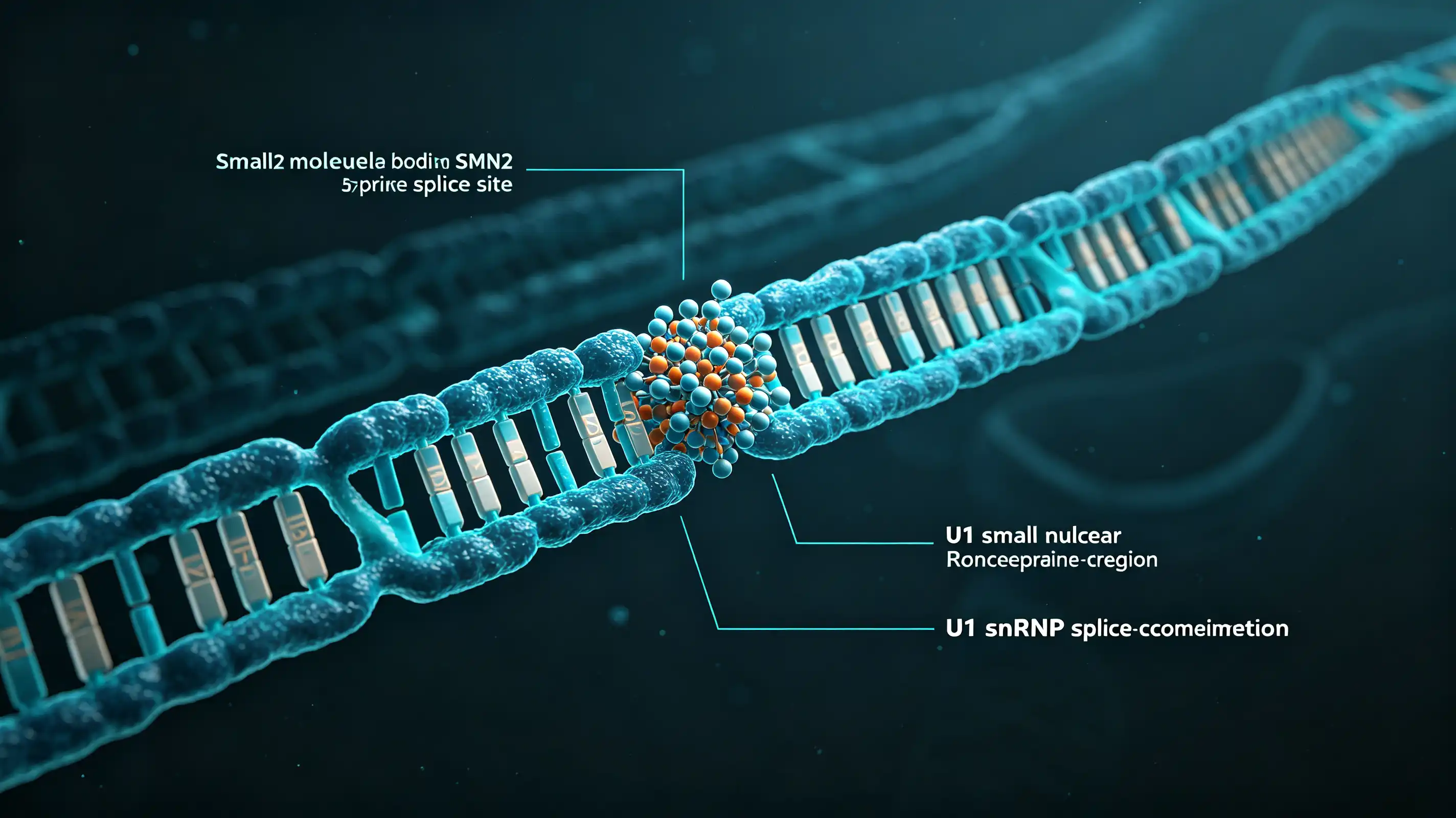
The SMN2 gene serves as a nearly identical backup to the flawed SMN1 gene. However, SMN2 contains a critical C-to-T transition at position 6 of exon 7. This single nucleotide mutation weakens the 5' splice site. The spliceosome machinery consequently skips exon 7, producing a truncated, unstable SMN protein. Documented research indicates Risdiplam acts specifically to repair this mechanical splice-site failure.
Formation of the Ternary Complex
In vitro studies demonstrate that Risdiplam functions as a splicing modifier. The small molecule targets two specific structural zones: the weakened 5' splice site of exon 7 on the SMN2 pre-mRNA, and the U1 small nuclear ribonucleoprotein (snRNP) complex. The API acts as a physical chemical bridge between these two entities. This dual-binding forms a stabilized ternary complex. The stabilization artificially strengthens the weak splice site recognition, forcing the cellular spliceosome to include exon 7 in the mature mRNA transcript.
Systemic Permeability Kinetics
From a pharmacokinetic perspective, the molecule's structural design allows for widespread systemic distribution. Intrathecal medications pool within the central nervous system. Conversely, Risdiplam diffuses systemically following oral or enteral administration. Because SMA manifests pathology in peripheral tissues-including skeletal muscle and the cardiovascular system-this pan-tissue distribution facilitates the translation of full-length SMN protein across all affected organ systems, providing researchers a critical tool for whole-body phenotypic analysis.
Target Sequence Specificity
Modifying RNA splicing pathways introduces the inherent risk of off-target genomic alterations. High-throughput transcriptome analyses of the Risdiplam structure reveal an extremely narrow binding affinity. The molecule requires a specific sequence motif located adjacent to the 5' splice site of SMN2 to bind effectively. This mechanical selectivity sharply suppresses off-target splicing events, providing a defined safety margin during long-term laboratory animal models and controlled human trials.
2. Physicochemical Parameters: Small Molecule vs. Oligonucleotides
For pharmaceutical scientists evaluating therapeutic vectors, the physical properties of the active ingredient dictate the entire downstream manufacturing process. The structural differences between small-molecule splicing modifiers and large-molecule ASOs are absolute.
| Analytical Property | Antisense Oligonucleotides (e.g., Nusinersen) | Xi'an Tihealth Risdiplam API (CAS 1825352-65-5) |
|---|---|---|
| Molecular Classification | Macromolecule. Synthetically modified RNA sequence (~7000 g/mol). | Small Molecule. Pyridazine derivative (373.46 g/mol). |
| Blood-Brain Barrier Penetration | Near zero. Highly polar, negatively charged structure blocks passage. | High penetration. Favorable lipophilicity index allows free diffusion. |
| Stability & Storage | Stable in aqueous solutions under refrigeration. | Highly sensitive. Requires -20°C storage under inert argon/nitrogen. |
| Manufacturing Modality | Solid-phase oligonucleotide synthesis. Low bulk yield. | Liquid-phase organic synthesis. Highly scalable. |
3. Process Engineering: Organic Synthesis and Environmental Controls
Constructing the precise nitrogen heterocycles of the Risdiplam structure demands rigorous synthetic chemistry. Trace impurities generated during palladium-catalyzed cross-coupling reactions or thermal oxidation can fatally compromise the drug's target affinity and toxicology profile.
Heterocyclic Cross-Coupling
The API is synthesized via multi-step organic reactions, specifically targeting the precise alignment of substituted imidazopyridazines with reactive piperazine derivatives. Temperature differentials are strictly monitored during catalytic phases to suppress the formation of regioisomers. Post-reaction, intensive solvent washing strips out heavy metal catalyst residues (Pd, Ru) to comply with ICH Q3D guidelines.
-20°C Inert Cold-Chain
Raw Risdiplam powder degrades rapidly upon prolonged exposure to ambient oxygen and room temperatures. Xi'an Tihealth seals the bulk powder inside dual-layer pharmaceutical aluminum foil bags. We execute high-vacuum atmospheric purging followed by an inert nitrogen gas flush. The material is immediately transferred to -20°C deep-freeze containment, with global freight reliant entirely on dry-ice or refrigerated active systems.
HPLC & NMR Quantification
We reject theoretical purity metrics. Every single commercial lot is dissolved and processed through High-Performance Liquid Chromatography (HPLC) utilizing targeted mobile phases to verify the ≥ 98.0% active assay. Structural integrity and atomic connectivity are confirmed via 1H Nuclear Magnetic Resonance (NMR) against verified analytical reference standards.
4. Authorized Research and Compounding Scenarios
Xi'an Tihealth supplies this API strictly to authorized B2B entities operating within regulated scientific and pharmaceutical frameworks:
In Vitro Transcriptomic Research
Academic and institutional laboratories procure the raw API to conduct mechanistic studies on alternative pre-mRNA targets. The molecule serves as a definitive baseline standard for investigating the mechanics of small-molecule spliceosome intervention in novel neurodegenerative models.
Authorized Pharmaceutical Compounding
Licensed compounding pharmacies and CDMOs utilize the high-purity powder to formulate oral liquid reconstitutions. The API is dry-blended with specific antioxidant excipients (such as ascorbic acid) and bulking agents (mannitol) designed to maintain stability in aqueous solution prior to final patient dispensation.
Analytical Reference Standards
The ≥98% specification provides independent quality control (QC) laboratories with a reliable reference marker for calibrating LC-MS/MS equipment, allowing accurate pharmacokinetic tracking in animal plasma samples during pre-clinical investigations.
Formulation, Safety & Compliance FAQ
The nitrogen-rich heterocyclic rings composing the molecular structure are inherently susceptible to thermal and oxidative kinetic breakdown. Exposing the raw powder to ambient room temperature accelerates cleavage events, generating inactive related-substances that rapidly degrade the assay below the 98% threshold. Maintaining a strict -20°C deep-freeze environment halts this kinetic degradation, securing viability across its 24-month shelf life.
Yes. Because Risdiplam is a highly potent, systemically absorbed active compound, operators must avoid inhalation of airborne particulates and direct dermal contact. Weighing and compounding must be executed inside a certified Class II Biological Safety Cabinet or properly ventilated fume hood. Operators must utilize nitrile gloves, respiratory protection (N95 or higher), and full ocular shielding during all material transfers.
Absolutely not. Xi'an Tihealth is a B2B chemical manufacturer. We supply unformulated chemical raw materials to institutional researchers and licensed pharmaceutical entities. We bear zero responsibility for downstream clinical applications, and we strictly refuse to provide diagnostic, dosing, or therapeutic advice regarding human patient care. All clinical dosing data must be sourced from registered healthcare professionals and FDA/EMA-approved drug monographs.
Exposure to ambient atmospheric oxygen initiates rapid oxidative cascades, particularly along the piperazine and pyridazine rings. To neutralize this, we utilize industrial vacuum sealing. The ambient air is evacuated from the dual-layer aluminum packaging, and the headspace is heavily flushed with high-purity argon or nitrogen gas prior to thermal sealing. This starves the micro-environment of oxygen, freezing the chemical state for shipment.
Every commercial lot is subjected to a comprehensive forensic panel. The primary assay quantification relies on High-Performance Liquid Chromatography (HPLC) to verify the strict ≥ 98.0% specification limit. Structural identity and molecular connectivity are confirmed via 1H Nuclear Magnetic Resonance (NMR) spectroscopy and Mass Spectrometry (MS). Clients receive a certified Certificate of Analysis (COA) containing this exact bench data with every shipment.
Secure your R&D supply chain with strictly controlled, low-temperature small molecule APIs.
Request HPLC Assays & Cold-Chain Shipping RatesSend Inquiry